Warren CAT Purchases Legacy Equipment in Hugo, OK

MIDLAND, TEXAS, USA – September 13, 2023 – Warren CAT officials are excited to announce the integration of Legacy Equipment in Hugo, OK into the Warren CAT family. For over 35 years Warren CAT has been a fixture in the heavy equipment industry for the territory, and starting September 13, 2023, this new merger will expand dealership capabilities and improve customer service by adding coverage for Southeast Oklahoma.

The addition of the Hugo, OK location will help Warren CAT increase same-day parts availability, improve field and shop service capabilities, add equipment rental availability, increase coverage of and service to the area’s quarry and mining industry and give opportunities for improved equipment service and preventative maintenance to local businesses.

“The existing local Legacy team will be joining the Warren CAT family, and we couldn’t be happier to have them,” President and CEO of Warren CAT, Jim Nelson said. “We welcome Legacy Equipment to the Warren CAT family and are proud to bring new career opportunities to the Hugo area and surrounding communities. We look forward to being the dealership of choice in this area and improving service to the Southeastern Oklahoma region.”

View Our Hugo Location

The Ultimate Guide to Reducing Power Systems Carbon Footprint

Many companies in the oil and gas and energy industries are working hard to mitigate their environmental impact by reducing their carbon footprints. These efforts make environmental, social and governance (ESG) frameworks especially important within their industry to help improve environmental awareness and encourage sustainable operational and design choices.

Learning about industrial sustainability and the importance of reducing your emissions can help protect the environment, conserve your resources and improve your relationship with customers.

The Importance of Sustainability in Power Generation

Traditionally, power generation has been fueled by fossil fuels — non-renewable resources contributing to CO2 emissions. Finding ways to make power generation more sustainable can help reduce or eliminate these carbon emissions.

Drilling companies that improve their sustainability practices can enjoy several benefits, including advantages for themselves, their industry, clients and other sectors:

  • Improving public health: Improving public health is one reason to consider more sustainable power generation. Exhaust emissions may pose health concerns to some, especially people prone to respiratory issues or those who regularly work around fossil fuels. Sustainable technology, practices and energy can help improve public and environmental health. Sustainable drilling practices can also help reduce concerns about the impact on the local environment and wildlife.
  • Appeals to consumers: Many consumers have become more eco-conscious, meaning they want to buy from and work with companies that practice sustainability. Using sustainable practices and resources for power generation can help your business thrive as consumer opinion shifts toward ecological awareness.
  • Energy security: Sustainable power generation helps improve energy security. Good stewardship of natural resources and finding alternative energy solutions can help companies and nations secure longer-lasting resources. You can improve your business’s security by investing in renewable energy methods and reducing emissions where you can.

How to Implement a Sustainable Power Systems Strategy

Reducing emissions is essential for many companies in a variety of industries. A sustainable power systems strategy can help with carbon emission reduction, bringing you closer to sustainability.

1. Consider Emissions Upgrades for Power Systems and the Electrification of Equipment

One way to make your power systems more sustainable is by upgrading to innovative power generation engines and technology. Caterpillar offers engines and other solutions with all the power, reliability and performance you expect but with lower emissions to help you reach your sustainability goals. Upgrade your power generation system with any of the following solutions:

  • G3600 A4 engine: This engine produces NOx emissions as low as 0.3 g/bhp-hr.
  • G3516 TA engine: This engine boasts high fuel efficiency and emissions as low as 0.15 g/bhp-hr when used alongside Caterpillar’s ADEM A4 control system, air/fuel ratio control and a three-way catalyst.
  • Electric motors: If you’re working under strict regulations and need to eliminate on-site emissions, our electric motors produce zero emissions while providing reliable performance.
  • Upgrade/Retrofit kits: If your older engines still perform but don’t meet emissions standards, consider upgrading them with our retrofit kits, which can reduce NOx levels to 0.5 g/bhp-hr.

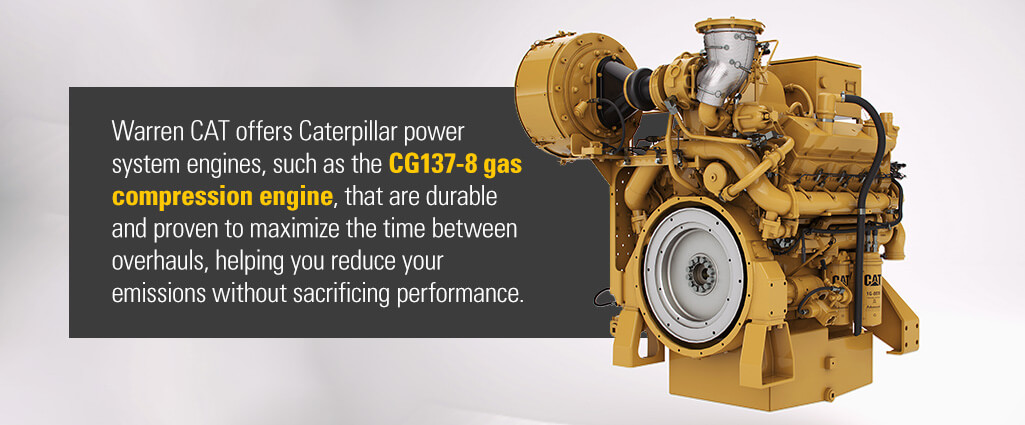
caterpillar power systems engines are durable and helps reduce emissions without sacrificing performance

Warren CAT offers Caterpillar power system engines, such as the CG137-8 gas compression engine, that are durable and proven to maximize the time between overhauls, helping you reduce your emissions without sacrificing performance.

Additionally, you can reduce your emissions by electrifying your equipment, which involves replacing fossil fuel-powered equipment with battery-powered equipment. Electrification is quickly becoming more popular as the industries that utilize power systems seek to reduce their environmental impact, making electric power generation one of the most efficient ways to facilitate carbon reduction.

One of the main benefits of this process is that it helps sustainable companies cut down on their overall emissions. As the demand for fossil fuels increases despite a dwindling supply, switching to electricity and renewable energy can help companies meet ESG goals and save on costs.

2. Reduce Energy Production Emissions and Waste

Fugitive emissions are unanticipated gas or vapor leaks that occur due to equipment malfunction, defective joints or seals, or intentional venting and flaring.

Regardless of the cause, fugitive emissions during energy production add up and contribute to a company’s overall carbon footprint. The production segment of the oil and natural gas industry was responsible for an estimated 60% of the industry’s methane emissions in a recent study.

Companies in the drilling industry can take the following measures to reduce fugitive emissions:

  • Improve leak detection and repair systems.
  • Use vapor recovery units to mitigate methane leaks.
  • Use high-quality sealing products on pumps, compressors and valve stems.

3. Utilize Dynamic Gas Blending (DGB) and Dual-Fuel Technology

Dynamic Gas Blending is a dual-fuel system that can help lower emissions while giving you the benefits of natural gas and diesel power systems. These systems allow engines to burn natural gas, diesel or a combination of the two, which allows for more versatility and flexibility. Engines are more capable of handling complex or diverse operating environments and maximizing fuel efficiency, which will help reduce overall emissions and save on fuel costs.

When you have equipment that is essential to your processes that you can’t electrify, consider turning to Dynamic Gas Blending to help reduce your emissions and improve your sustainability. DGB software automatically modifies and regulates engine controls, creating an ideal blend of diesel and natural gas based on your application’s power requirements and operating conditions.

On top of sustainability, Dynamic Gas Blending has multiple benefits, including:

  • Savings generated from improved fuel efficiency
  • Assistance with equipment maintenance through enhanced diagnostic capabilities
  • Enhanced safety features to keep your equipment and workers safe
  • Optimized performance, as you don’t have to choose between different fuel types
  • Simplified controls to make it easy for equipment operators to use and supervise their machinery.

Warren CAT utilizes DGB technology to help companies get the best of both worlds regarding emissions reduction and engine performance. For example, the Cat 3512E DGB model utilizes Tier 4 engine technology and has won the 2020 Clean Air Excellence Award, showcasing the engine’s ability to reduce carbon emissions while providing outstanding performance.

DGB technology is an excellent way to help increase sustainability and achieve ESG targets within your business.

4. Consider Smart Engine Management Systems

Smart engine management systems (EMSs) were created for drilling rigs, monitoring demand and engine load and matching the energy supply to the demand. This sustainable technology reduces how often you need to run your engines by optimizing engine demand, preventing you from keeping your engines running continuously without good reason.

One of the main benefits of a smart EMS is that it reduces operating costs by minimizing maintenance and fuel use. A smart EMS can help reduce the required fuel for your drilling operations, reducing the carbon emissions your business produces. Other notable benefits include:

  • Easy installation
  • Proven technology
  • User-friendly interface
  • Lower fuel & maintenance costs
  • Quick payback

5. Transition to Hydrogen Fuel

On top of renewable energy resources like solar and wind, hydrogen is being considered as a potential fossil fuel replacement to help various industries reach their CO2 emission reduction goals. Some sectors have already begun using hydrogen fuel where possible, which has decreased global energy sector emissions by 30%. Hydrogen fuel is an environmentally friendly power source compared to non-renewable fuel resources. Using hydrogen energy can significantly decrease your global emissions impact, helping you move closer to achieving sustainable operations.

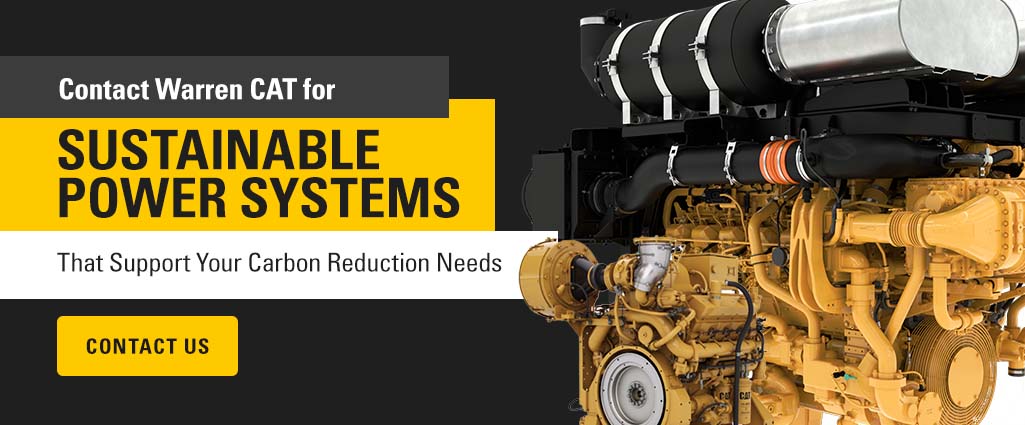
sustainable power systems

Contact Warren CAT for Sustainable Power Systems That Support Your ESG Needs

Caterpillar is one of the leading sustainable companies in the world, and Warren CAT is dedicated to doing what it takes to help our customers achieve their sustainability and emission reduction goals. We know the importance of ESG and offer environmentally friendly power systems, equipment and solutions to support your ESG initiatives. We understand that every business must take a different path to reach a carbon-neutral future, so we’re committed to helping you make progress in a way that makes sense for your company.

Warren CAT is the authorized Caterpillar dealership for West Texas and Oklahoma, meaning you can rely on our equipment to provide industry-leading durability and innovative technology. We have a wide selection of equipment, including new, used and rental options. Contact us today to learn more about how our sustainable power systems can help support your environmental and carbon reduction goals.

11 Tips to Reduce Heavy Equipment Maintenance Costs

Heavy equipment is a business investment that needs to be maximized for businesses to stay profitable and productive. Properly maintaining your equipment is vital to protecting your asset’s value and keeping tight financial control over your operating costs.

Generally, equipment owners should expect to budget 2-6% of their total replacement asset value (RAV) as their routine maintenance fund. This formula called %RAV is flexible depending on the equipment type and the operating conditions involved in your work. The harsher the conditions and more specialized the equipment, the higher the %RAV should be.

To avoid overspending on unnecessary maintenance costs, equipment owners should appropriately budget for ongoing service and repairs and take active steps to control and reduce maintenance costs. Our guide to equipment maintenance covers some of the top ways equipment owners can control maintenance costs, including investing in preventative maintenance programs (also called “preventive” maintenance programs).

Top Tips for Reducing Maintenance Costs

Equipment owners are constantly managing their business expenses, trying to lower operating costs and maximize profits. While certain business expenses are fixed, others are variable and controllable with the right practices.

Heavy equipment maintenance costs are variable expenses that can make or break equipment ownership, depending on how you handle maintenance. Taking a proactive approach with preventative equipment maintenance can help keep costs steady and reduce unexpected repairs.

Follow the below tips to reduce maintenance costs to help manage equipment operating expenses:

1. Conduct Daily Inspections

Routine inspections are the most essential way to detect and prevent maintenance and repair issues in equipment. Daily inspections can help you save on sudden repair costs and unproductive downtime that delays projects.

It’s important for equipment operators to get into the habit of conducting daily inspections by following maintenance checklists. Pre-operation inspections ensure equipment is safe enough to operate, while post-operation inspections identify any new issues that may arise while the machine is at work.

Daily equipment inspections should include checking the following:

  • Fluid levels, including fuel and oil
  • Signs of damage, leaks or cracks
  • Brakes and emergency stopping system
  • Steering system
  • Tire, tread or track condition, including tire air pressure
  • Mirrors, windshield and glass
  • Lights and horn
  • Seatbelts and safety devices

The above list is not exhaustive, and you should always consult your Operation and Maintenance Manual (OMM) for detailed inspection checklists relevant to your machine.

heavy equipment going through muddy water

2. Keep Equipment Clean

One of the simplest ways to maintain your equipment and prevent expensive repairs is to keep up with routine cleanings. Clean equipment operates more efficiently, lasts longer, retains its value longer and undergoes fewer repairs.

Some keys to keeping equipment clean include:

  • Wiping away built-up film from controls and panels
  • Removing caked-on mud and grime from tracks, drive gears and tires
  • Correctly storing your equipment and following winterizing best practices
  • Cleaning or replacing filters, grilles and vents
  • Checking seals around electrical components

Heavy construction equipment is regularly exposed to harsh conditions, making it susceptible to dirt and contamination. A machine’s multiple components and intricate systems can begin to degrade if they’re not kept clean. Additionally, repetitive exposure to the elements, including wind, rain and snow, can damage equipment components and the machine’s structure, causing rust and paint chips that are expensive to fix.

3. Use Genuine OEM Parts

When your equipment needs parts replacements, it’s important to choose high-quality engine components certified by the manufacturer. Original Equipment Manufacturer (OEM) parts guarantee high-quality performance and dependability, extending the service life of your machine.

Some of the critical components to source from the manufacturer as genuine parts include:

  • Pumps
  • Fuel injectors
  • Starters and alternators
  • Ignition systems
  • Gears, drives and pulleys
  • Hydraulic components

Using genuine parts ensures that you maintain warranty coverage and that high-wear components remain functional and reliable for as many operating hours as possible.

As an alternative to installing new OEM parts, such as Cat® genuine parts, you can also source certified remanufactured parts. Cat remanufactured parts adhere to strict quality control guidelines, providing you with an affordable parts replacement option to help reduce your maintenance costs.

4. Choose the Right Fluids

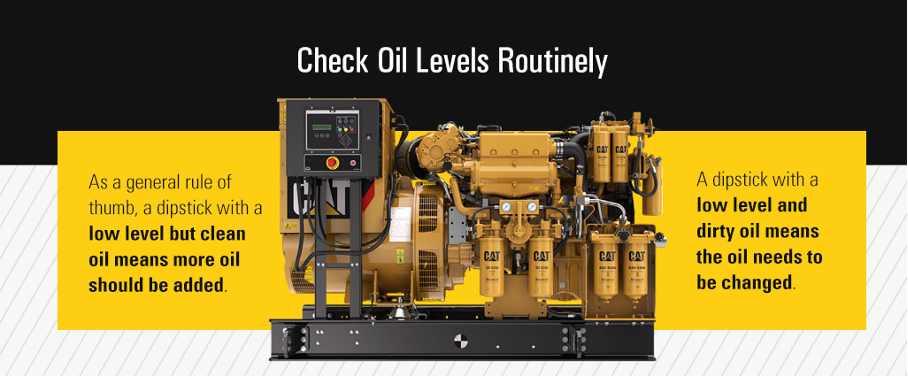
Managing heavy equipment fluids is a vital practice of proper preventive maintenance. Using the right engine oil, hydraulic fluid and coolant can help extend a machine’s service life, protect the equipment’s performance and reduce the risk of premature wear and unexpected repairs.

Always check your OMM to know which type of fluids to use and review other pertinent information, such as:

  • Filter type
  • Fluid capacities
  • Fluid change intervals

In addition to choosing the right fluids and changing them at the proper intervals, you should also properly store fluids to prevent contamination and regularly check stored fluids for signs of sediment.

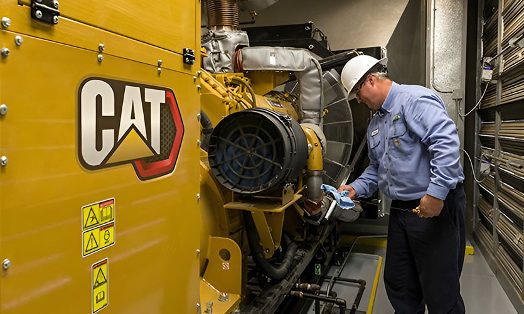
hand with a white glove checking the fluids in an engine

5. Perform a Routine Fluid Analysis

Beyond using the right fluids required for equipment performance, it’s also critical to routinely analyze fluids to detect potential problems. Fluid analysis allows you to gain insights from oil, coolant and fuel samples collected during service intervals.

During a fluid analysis, technicians look for issues like:

  • Oil viscosity
  • Particle counts
  • Microbial growth
  • Water content
  • pH levels
  • Odor, foam or solids

The above is not an exhaustive list of testing items. Technicians follow a detailed analysis plan, checking each type of fluid for specific health indicators that pertain to the particular type of fluid. Technicians then provide equipment owners with a comprehensive report of their equipment’s fluid health so they can have advanced insights into equipment condition and any unseen issues.

By routinely analyzing your equipment’s fluids, you can learn the common types of issues your working conditions cause, letting you take cautionary and preventative steps to maintain equipment and reduce the costs of future repairs.

Cat’s S·O·S Fluid Analysis service uses advanced analytical technology to gain an accurate picture of fluid health and provide clear instructions moving forward to protect your equipment.

6. Maintain Detailed Maintenance Records

For equipment owners looking for better control over machine operating and maintenance costs, adopting solid record-keeping habits is critical.

Proper maintenance record-keeping helps owners:

  • Plan for future maintenance and repair issues.
  • Prevent costly downtime.
  • Prove the value of the machine’s resale value.
  • Protect the asset under potential warranty claims.
  • Support businesses facing workers’ compensation claims.

Equipment maintenance records keep track of pertinent details including:

  • Equipment type, location and operator
  • When maintenance was performed
  • What type of maintenance action was taken
  • Who serviced the machine and where
  • Maintenance outcomes
  • Total maintenance costs

By keeping track of this critical information, owners can analyze their maintenance data to predict future issues, more accurately budget for maintenance and repair needs and prevent serious breakdowns.

7. Invest in Operator Training

In many cases, what makes the difference between a long-lasting machine that retains its value and one that doesn’t is how the equipment has been operated throughout its lifecycle. Equipment operator training is a critical investment that protects your asset’s value, prevents unnecessary repairs and reduces the risk of accidents.

It’s important that operators are properly educated on the machine’s specifications, including the types of issues to look for and how to inspect components. A well-trained operator will know what to look for before and after operating the equipment, providing valuable insight into the machine’s health status.

Equipment owners should also view operator training as an ongoing process. Over time, skills can wane, and operators can become complacent. Keeping safe operating practices at the forefront can help ensure operators always prioritize safety and that inspections to protect the machine from breakdowns are regularly completed. It is important to ensure operators always have easy access to an accurate operator’s manual.

8. Operate Equipment Properly

Knowing how to properly operate equipment reduces unnecessary wear and tear on the machine. Improperly operating a machine, such as using equipment that’s not right for the job or overloading a machine that is too small, adds undue strain on the equipment components, increases the risk of incidents and can lead to breakdowns or systems failures.

Additionally, following proper safety protocols can also help reduce the risk of incidents that cause damage to the machine and surrounding structures. Some safety topics all operators should be familiar with include:

  • Identifying surrounding hazards, such as overhead powerlines, slopes and nearby vehicles or buildings
  • Becoming familiar with equipment safety features and how to safely maneuver the machine
  • Knowing how to properly load and lift materials, including types of materials and weight capacities

man working from the ground on a wheel loader

9. Understand Equipment Warranty

When budgeting for maintenance costs, keep your warranty policy at hand. Equipment protection plans are available to protect owners from being financially responsible for parts failures that are the manufacturer’s responsibility.

To keep the machine’s warranty active, owners must make reasonable efforts to maintain their equipment following the prescribed maintenance intervals outlined in the OMM. Be sure to thoroughly read and understand your warranty and know what’s covered and what isn’t so you can plan your maintenance program accordingly.

Additionally, investing in an extended warranty policy on some parts, particularly engine components, can help reduce maintenance costs in the long run.

10. Leverage Telematics Technology

Take your equipment maintenance management to the next level with telematics. Using a system of onboard sensors, equipment telematics collects valuable data on machine usage and health that can be analyzed for superior insights.

Telematics can help with equipment maintenance in the following ways:

  • Automate maintenance schedules based on data collected from equipment sensors.
  • Link operator behavior and idling habits to wear and tear concerns.
  • Receive instant notifications on diagnostic codes indicating a time-sensitive issue.

Cat VisionLink® is the answer to equipment telematics, providing Cat equipment owners with insight into equipment efficiency, productivity and maintenance needs. Using a smart technology system, VisionLink presents owners with a streamlined way to:

  • Routinely check equipment health.
  • Save time and money on maintenance.
  • Stay compliant with safe operating standards.

Learn more about VisionLink by contacting your representatives at Warren CAT.

11. Adhere to a Preventative Maintenance Program

The top way to save money on equipment maintenance costs is to develop and adhere to a preventative maintenance (PM) plan. By creating an ongoing maintenance schedule, you increase the likelihood of your equipment receiving optimal service required to extend component life and maximize equipment productivity and performance.

Using the manufacturer’s recommended service intervals, you can develop an ongoing maintenance calendar based on maintenance item categories. Know which types of maintenance actions to take on a daily, weekly, monthly, quarterly and annual basis, as well as which types of services to conduct after a set number of operating hours.

Thanks to services like Cat Customer Value Agreements, equipment owners can create customized plans that fit their budget and ensure they’re always on top of their equipment maintenance needs.

Benefits of Cat Customer Value Agreements

Whether you manage a single piece of equipment or an entire fleet, busy equipment owners want the most efficient, cost-effective way to manage their equipment maintenance needs. Following an intelligent, data-driven maintenance plan helps you reduce maintenance costs  and unnecessary downtime by focusing on just-in-time servicing needs informed by smart technology.

Cat Customer Value Agreements (CVAs) make equipment ownership hassle-free. Preventive maintenance plans are an integral part of the CVA, helping equipment owners maximize their investment, prolong the life of their assets and gain better financial control over their operating costs.

Some of the top benefits of CVAs include:

  • Flexible and customizable coverage: The Cat CVA program is designed to be entirely flexible for equipment owners, providing a range of coverage options. With flexible financing, there’s a CVA solution for every scenario.
  • Convenient equipment management: Equipment management is easy and convenient with a Cat CVA. Receive your genuine Cat parts delivered on time according to a predictive maintenance schedule. CVA equipment management services provide quick parts replacement turnaround and take care of the legal and safe disposal of old parts, including fluids and filters.
  • Improved financial control: With simple monthly payments, equipment owners can maintain better financial control over operating costs. Knowing your monthly expenses ahead of time makes it easier to plan your business’ cash flow compared to financing an unexpected, inconvenient and costly breakdown.
  • Long-term partnerships: With a Cat CVA, you’ll always have the peace of mind that a reliable team of experienced technicians is standing behind you and your investment. The long-term partnership offered by the Cat CVA helps you focus on your business and leave the maintenance and service to the experts.

With a CVA, equipment owners can choose from value-added services like:

  • Preventive maintenance kits
  • Oil and fluid changes and analysis
  • Ongoing machine inspections
  • Smart technology monitoring of equipment health parameters
  • Predictive maintenance and repair

Equipment owners can choose from multiple CVA plans, selecting the one with the right coverage for their needs. Businesses with in-house technicians may choose limited plans, while equipment owners who outsource maintenance may prefer a more comprehensive CVA option.

Work with your dealer or contact a representative at Warren CAT today to learn more about the right CVA plan for your business.

excavator digging into a pile of dirt with text "choose warren cat for your equipment maintenance needs"

Choose Warren CAT for Your Equipment Maintenance Needs

When you want expert advice on equipment maintenance, trust Warren CAT as your source for reliable, quality equipment service and repair. Whether you need standard preventive maintenance, machine repairs, equipment rebuilds or help installing genuine Cat parts, Warren CAT is your equipment maintenance solution in Oklahoma and West Texas.

Enquire about our customizable Cat Customer Value Agreements, mobile field service, emergency maintenance solutions and other options to help keep your equipment performing at peak condition. Call Warren CAT today at 866-292-7736, contact us online, or stop by one of our many Warren CAT locations offering complete sales, parts and service.

6 Equipment Preventive Maintenance Tips

Heavy machinery is essential for your business, and you want to ensure your equipment will last as long as possible while performing at peak efficiency. Regular maintenance can help keep your equipment running smoothly and reduce costly, unexpected repairs and downtime.

Performing preventive maintenance requires careful planning and adequately trained technicians. Learn more about preventive maintenance, why it’s essential for your business and the steps to perform maintenance properly.

What Is Construction Equipment Maintenance?

Construction or heavy equipment maintenance refers to the service and steps you take to identify, repair or prevent machinery problems. Equipment maintenance typically involves inspecting, repairing and cleaning your machinery.

Maintenance can be split into two separate categories:

  • Preventive maintenance: This type of maintenance involves scheduled tasks that help prevent issues from occurring and keeps your equipment running at its optimal performance. Common types of preventive maintenance include oil, grease, coolant and other fluid changes; belt, hose and filter replacement; pressure checks and routine cleanings.
  • Reactive maintenance: This type of maintenance happens after a problem has occurred, usually when equipment stops operating as it should or fails completely. Reactive maintenance only addresses problems when they become apparent, with little opportunity for planning and increased cost and inconvenience.

Ideally, you should conduct preventive maintenance regularly to reduce the need for reactive maintenance, ensuring your heavy equipment operates correctly and extends its life span.

What Is the Importance of Preventive Maintenance?

Preventive maintenance is one of the most important things you can do for your company’s heavy equipment. Preventive maintenance can provide value and numerous benefits to your company and equipment, including:

  • Reduced expenses: Preventive maintenance helps reduce the risk of unexpected failures or breakdowns that can incur expensive repairs. Performing maintenance regularly can decrease the severity of problems and reduces the risk of compound failures, which can quickly become a significant issue and rack up costs.
  • Extended life spans: Preventive maintenance ensures your machinery is in the best condition possible, which can help extend the life of your equipment. Regularly maintained machinery lasts longer than equipment that doesn’t undergo regular maintenance. Longer life spans significantly benefit your company since you can reduce downtime, increase productivity and save on expensive repairs or replacements.
  • Improved safety: Well-maintained equipment is safer than equipment that’s not maintained. If equipment fails unexpectedly, it can create a hazardous environment for the operator, nearby workers and surrounding property. Regular maintenance helps you identify and address any potential hazards before they become a significant problem.
  • Greater confidence: Heavy equipment operators feel more confident working with regularly maintained machinery since they know it’s more likely to work efficiently and effectively. If operators are concerned that their equipment will break, they’ll likely slow down their work. Preventive maintenance can give your operators more confidence to work with equipment and optimize productivity.
  • More availability: You can’t use broken-down equipment, harming productivity and profits while you wait for repairs or replacements. Preventive maintenance ensures that your heavy machinery is more available for your jobs, allowing you to complete tasks on time.

Why Use a Heavy Equipment Preventative Maintenance Program

A preventative maintenance program can help you maintain your equipment’s maintenance requirements, including performance testing, equipment analysis, systematic inspections and component replacements. Trying to perform preventive maintenance without a maintenance program can create problems, such as forgetting to stay on schedule, overlooking essential maintenance requirements or failing to keep track of prior maintenance.

A proper preventative maintenance program will be all-inclusive, making it an intentional approach to equipment maintenance from the first hour logged through its entire lifespan. Preventative maintenance programs can include the following:

  • Failure analysis
  • Site inspections
  • Fluid Analysis
  • In-shop servicing
  • Diagnostic technology
  • Machine inspection data collection
  • Total maintenance and repair agreements
  • Training and safety videos for operators and workers

Some programs will be more complex than others depending on the type of machinery. Regardless of the equipment type, preventative maintenance programs can help improve a machine’s performance, reliability, safety, productivity and lifespan.

Steps for Preventive Maintenance

Following the appropriate steps or tips for preventive maintenance ensure you care for your equipment properly and help it last a long time. Steps for your preventive maintenance include the following:

1. Schedule Your Preventive Maintenance

Creating a schedule for your preventive maintenance is the first step to ensuring your machinery operates at peak performance and doesn’t experience unexpected failures. A company schedule helps you remember to perform maintenance, informs your team when they need to be maintaining your equipment and allows for planning around your production schedule. The manufacturer’s recommendations should serve as your guidelines for planning and scheduling maintenance.

2. Keep Documentation of Services and Repairs

Keep documentation every time you perform maintenance.

Keep documentation every time you perform maintenance. Knowing what repairs and services you’ve done helps you know which repairs you need to do soon. A history of repairs and services can help you determine if your equipment is excessively impacting your bottom line and also help your fleet maintain its value.

3. Use Checklists

Checklists can help ensure that workers follow the proper maintenance steps and meet the requirements during each inspection. They guide operators and technicians through the process of evaluating and performing maintenance. As each step is completed, workers can check off what they’ve done to track what they need to do next. Checklists can cover everything from visual inspections to equipment operations.

4. Clean Regularly

Another step you’ll want to take is cleaning your heavy equipment regularly. Cleaning helps your technicians check for issues or signs of damage that must be addressed. Workers should be trained to spot damage while they’re cleaning your equipment.

Cleaning is also a form of heavy equipment maintenance. Dirt and other contaminants can prevent moving parts from operating correctly, which can cause damage or failures. Cleaning regularly can prevent these problems before they compound into something more serious.

5. Customize Maintenance and Service Based on Machine Type

You likely use various types of equipment within your company for multiple applications. Different machines need various types of maintenance and service. Rather than using a one-size-fits-all maintenance plan, you should create specific maintenance requirements for each machine type to ensure each piece of equipment works efficiently. Follow the manufacturers’ recommendations for the maintenance and service of each machine.
6. Train Operators on Machine Use

Operators who know how to use the equipment correctly will be less likely to cause damage or push machinery past its limits. Proper training reduces the risk of needing additional maintenance to fix this damage, abuse or overuse. Training can also include identifying maintenance issues, which can help keep each machine in your fleet in optimal health.

Heavy Equipment Maintenance Checklist

As we mentioned, creating a checklist for your maintenance is an excellent way to track the tasks you’ve performed and what you still need to do. These checklists remind technicians what is required and when. Some common tasks or places technicians should check that you can include on your checklist include:

  • Batteries
  • Bearings
  • Belts
  • Brakes
  • Coolant and other fluids
  • Electrical components
  • Filters
  • Fuel
  • Idlers, sprockets and other rotating components
  • Oil, grease and other lubricants
  • Steering systems
  • Safety devices
  • Teeth, tips, blades, edges, wear plates and other ground engaging tools
  • Wheels, tires and tracks
  • Windshields and glass

As your technicians perform maintenance, they can check off each task. The checklist provides guidelines rather than instructions on how to complete maintenance. Technicians will still need the training to properly perform the appropriate level of maintenance for each type of machinery your company owns.

Warren CAT's Preventative Maintenance Kits in OK & TX

Learn More About Warren CAT’s Preventive Maintenance Kits in Oklahoma and West Texas

Performing preventive maintenance can help save you time and money while keeping your equipment running smoothly for years. Warren CAT is the authorized Cat® dealer for West Texas and the state of Oklahoma that sells preventative planned maintenance kits to make it easier to stay on track with routine maintenance. Our kits are customized to fit your machinery, ensuring you have everything you need to keep your heavy equipment fleet’s maintenance on track.

Our kits help remove the guesswork, so you have less to worry about. The Warren CAT team of experts can help you find exactly what you need and will guide you through each step of the process. Contact us today to learn more about our preventative maintenance kits and how we can help!

Customer Value Agreements — What They Are and Why You Need One

A Cat® Customer Value Agreement (CVA) is an easy, efficient way to add even more value to your Warren CAT equipment purchase. A CVA — through preventative maintenance (PM) — will help you prolong the life of your heavy equipment, enhance performance and prevent costly downtime that could cut into your profits.

Learn more about CVAs and the top reasons you should consider adding one to your next equipment purchase or fleet upgrade.

What Is a Warren CAT Customer Value Agreement?

A Customer Value Agreement (CVA) is an official agreement between you and Warren CAT that includes helpful ongoing preventative maintenance services and ownership benefits to give you the most out of your equipment investment. You can choose from services such as:

what is a cva

The more comprehensive your CVA, the easier it is to prepare for and avoid expensive or dangerous equipment breakdowns caused by age or premature component failure. It’s also a great way to minimize your operating and ownership costs while increasing your productivity with reliable, quality-made equipment.

You can even mold your CVA to fit your specific needs. Some customization options include:

  • The number of machines you want your CVA to cover
  • The extent of your Equipment Protection Plan (EPP) coverage for new machines
  • The length of your CVA terms
  • The extent of preventative maintenance included
  • When and where we deliver your genuine Cat parts

How Does a Customer Value Agreement Work?

You can obtain a CVA from Warren CAT for a single piece of machinery or your entire fleet, regardless of its age, model or industry application. You can choose to enroll in a Customer Value Agreement when you purchase new equipment or contact a representative to request a CVA for an existing Cat machine or engine.

A CVA is individualized to fit your fleet’s unique needs, so the required steps and included services vary for every agreement. Get the process started by:

  1. Choosing your plan: Work with an expert specialist to create the CVA you need without worrying about pre-set requirements or strict guidelines. Our representative will explain each of your available options and help you work through important considerations, like who your preferred maintenance technician is and how much coverage you want for each piece of equipment.
  2. Exploring your financial options: Contact your preferred financial provider and ask about getting CVA financing approval with your next machine purchase or learn more about your payment options.
  3. Enjoying peace of mind: Once your agreement is in place, you can get back to doing what you do best — using Cat equipment to get the job done well, knowing you’re ensuring your fleet’s lasting quality.

Is a Customer Value Agreement Worth It?

Simply put, yes — a CVA is almost always a worthwhile investment. CVAs help you stay on top of construction equipment maintenance, with preventative maintenance, oil and filter changes and other services to extend your machine’s lifespan. When you take a look at the numbers, it really comes down to longevity and value. When you pair your CVA with things like Cat filters and fluids, you can significantly extend the life of your equipment.

Here are just some of the features Cat CVAs offer and how they make machine ownership easy:

  • Equipment Protection Plans: EPP coverage protects against any defects or workmanship errors on new machines.
  • Parts delivered to you: With a Cat CVA, we’ll deliver your parts right on schedule, to the location of your choice, so you always have what you need to stay operational.
  • Simple monthly payments: Already making payments on a Cat machine? Ask a representative about including your CVA in the same monthly payment. A single fixed payment option can help you stay on top of your budget.

To get a better idea, take a close look at your operational expenses and note how much time, money or workforce you dedicate to things like:

  • Securing and training on-site equipment mechanics
  • Diagnostic tools and equipment
  • Safely disposing of environmentally harmful items and fluids
  • Parts and repair tool inventory
  • General shop maintenance, including utilities, taxes, upkeep and insurance
  • Specialty equipment, like service trucks

These factors can have a significant effect on your business’s bottom line. A CVA will keep costs low, and service professionals will perform critical inspections, servicing and preventative maintenance quickly to reduce downtime.

benefits of a cva

5 Benefits of Having a Cat Customer Value Agreement

Regular construction equipment preventive maintenance, fluid changes and remote monitoring are essential tools for equipment preservation, and a Cat CVA from Warren CAT goes even further than standard services and equipment assistance. Here are the top five reasons you should take advantage of this custom construction equipment maintenance program.

1. Options and Control

A Cat Customer Value Agreement puts the control in your hands, with flexible coverage and customizable options. Customize your CVA to access the type and level of coverage you need to meet the requirements of your machine, fleet and business with scalable plans and flexible options. Manage your budget and expenses with flexible monthly payment options that include pre-paid, paid-in-full, financed, flat rate or monthly payments, depending on your specific circumstances. You may also be eligible to choose charge terms between monthly, quarterly, semi-annually, annually or per hours of production.

2. Equipment Management

Manage your equipment with Cat replacement parts and tools you need, including discounted filters, shipped to your chosen location for convenience and quick turnaround. We will even help you safely dispose of your used oil and filters. Warren CAT technicians can also help you monitor the status of your new and used heavy equipment so you can make necessary changes to boost performance, train staff and maintain your budget.

3. Less Downtime

Experiencing downtime with your heavy equipment can cost you hundreds to thousands of dollars annually if you aren’t prepared. Detailed equipment diagnostics can help you identify and locate concerns before they grow into more expensive and demanding repairs. CVA clients can schedule preventative maintenance and inspection services, so you get critical insights and can schedule necessary downtime, minimizing unplanned expenses. Before-failure repairs often cost less than after-failure repairs, saving you even more money long-term.

4. Better Planning

The more you know about your machines, the easier it is to make investment, budgeting and operational decisions for your fleet. Your CVA provides helpful insights that give you the confidence you need to establish budgets, schedule maintenance and avoid surprises. You can also benefit from improved heavy equipment maintenance record-keeping and potentially greater resale value.

5. Locked-In Pricing

Enjoy the convenience and security of locked-in pricing when you agree to a Cat CVA from Warren CAT. After our team helps you customize your CVA plan to fit your equipment and project needs, that price gets locked in and guaranteed for the duration of your CVA terms. Note that Warren CAT only guarantees your locked-in pricing within Warren CAT territory. If you move out of our service territory, we’ll work with your local dealer to determine accurate service pricing.

This pricing structure allows project managers and business owners to have more control over operating costs and to continue reaping the rewards of a CVA investment without unexpected pricing or inflation.

Frequently Asked Questions About CVAs

A lot of time, energy and careful consideration go into purchasing and owning heavy equipment, and a CVA is no different. Having a thorough understanding of what a CVA is and how it works is the best way to make an informed decision and create a plan that most benefits you and your business. Here are some of the questions we’re most often asked about CVAs.

1. Can a CVA Be Added to a New or Used Equipment Purchase?

Yes. When you purchase a new machine from your Cat dealer, choose from three CVA options:

  • The Convenience CVA is ideal for businesses with their own in-house maintenance, as it includes maintenance instructions, EPPs, scheduled service, scheduled parts delivery, viewable repair history, machine insights and more.
  • The Performance CVA is a one-time planned preventative maintenance that your Cat dealer will handle for you, freeing you up to focus on other areas of operation. It includes the same features found in the Convenience CVA, but with flexible dealer service.
  • The Confidence CVA includes Premier EPP, comprehensive coverage and additional planned maintenance provided by your dealer. This is the plan for those seeking protection on investment for up to five years of working hours, and it also includes the same perks as the Performance CVA.

When you buy a Cat Certified Used machine, you still get access to the industry-topping CVA perks, including:

  • Delivered parts
  • EPP coverage
  • Optional dealer service
  • Machine insights
  • Hassle-free maintenance
  • Expert dealer support
  • Single payment options

2. Can I Add a Customer Value Agreement to a Machine I Already Own?

Already own a Cat machine? We’ve still got you covered. If you own used equipment, you’ll love our Extended Cat CVA. Caterpillar® designed the Extended CVA plan with existing equipment owners in mind. This CVA includes parts delivery, optional and flexible dealer service and valuable machine insights that can help you save money and time. You’ll also gain significant savings on genuine Cat parts.

3. What Equipment Is Eligible for a Cat CVA?

cva eligible equipment

You can purchase a CVA for all new and used Cat equipment sold by Warren CAT, including:

Please note you can only purchase a CVA for Cat equipment, and this list is not exhaustive. Contact a Warren CAT representative to learn more about CVA compatibility or shop our inventory of new and used machines.

What Machine Insights Does a CVA Provide?

Cat CVA agreements give you access to valuable insights about your heavy equipment. By securing all of this information in one place, it’s easier to find while you schedule service checks, plan your operational budget and monitor fleet performance.

A VisionLink® subscription is included in your Warren CAT CVA agreement, which provides machine insights including:

  • Machine hours: Logging your machine hours is an integral part of equipment ownership because it can help you predict when specific parts might need servicing. It’s also valuable information in case you choose to sell or trade in your equipment.
  • Machine location: Tracking your machine’s location lets you keep an eye on your valuable equipment at all times, including off-the-clock use or in the event of stolen or misplaced equipment.
  • Fuel burn: Fuel burn refers to the amount of fuel your machine consumes per each use. This information can help you spot patterns, monitor your fuel budget and identify if a piece of equipment is leaking or using more fuel than usual.
  • Fault codes: Fault codes will help your on-site maintenance or Cat dealership understand issues as they arise, which cuts back on how much time it takes to diagnose and repair any damages.
  • Maintenance events: Similar to tracking machine hours, a log of maintenance events is one of the most effective ways to stay informed about your equipment and pass that information along to future dealerships, technicians or buyers.

track machine hours

4. Do CVAs Extend to Other Dealerships?

If you’re relocating or expanding your fleet, Cat CVAs are portable across the Cat dealer network with certain exceptions. Because the CVA plan is attached to your equipment’s serial number, you can submit a request during your coverage period to transfer your CVA plan to a new owner, if necessary.

Warren CAT can only guarantee locked-in pricing at the Warren CAT dealerships in our territory. For transitions beyond our service territory, we’ll contact the local dealer there for more accurate service pricing, whether that’s higher or lower. Your CVA agreement will have written language specifying dealer territory limits for your equipment.

How Do I Get a CVA for My Equipment?

If you already own a Cat machine or plan to purchase a new or certified used model, getting a CVA is simple. Get in touch with one of our team members, and we will:

  • Ask questions about your machines and business to determine which CVA plan is right for you.
  • Explain the different customizable options available for your equipment.
  • Take the steps necessary to bundle your CVA with any existing Cat payments for stress-free monthly payments.
  • Answer any questions you have about your CVA options, including Warren CAT standards and regulations.

Once you have your CVA in place, you will continue to receive ongoing support from our dedicated team. We are always available to answer questions, schedule service appointments and help you get the most out of your investment. If your operations shift or expand, we are also happy to help you adjust or upgrade your CVA if necessary.

If you have to pause your operations, you can cancel your CVA plan without paying a cancellation fee if you meet the following conditions:

  1. You cancel within 30 days of the start of the agreement.
  2. In that 30-day window, you have received no CVA benefit.

In some instances, there may be processing fees or restocking fees. Contact your dealership to learn more.

contact warren cat

Contact Warren CAT to Learn More

With locations throughout Oklahoma and West Texas, Warren CAT is your local source for quality Cat equipment. As a valued customer, you get access to perks like mobile field service and 24/7 emergency maintenance and repair to keep your fleet up and running. No matter the industry, Warren CAT is here to help you succeed every step of the way with customizable CVAs.

Learn more about Customer Value Agreements and give our team a call at 866-292-7736 or contact us online to speak with a Warren CAT professional about your CVA options. You can also shop our inventory of new and used Cat equipment, available for rent or purchase.

Dynamic Gas Blending™

Cat® Dynamic Gas Blending™ (DGB™) is one of the most revolutionary dual fuel technologies Caterpillar® is bringing to the table to improve your operations. DGB engine retrofits give you the advantages of both diesel and natural gas power systems. When you invest in DGB technology, you can lower your emissions, reduce fuel costs and expand your fuel options, making it one of the wisest decisions you can make for your company’s future, especially if you’re in the oil and gas industry.

Find out more about what Dynamic Gas Blending is and how it works by reading this article. You’ll also learn more about the benefits DGB retrofitted engines provide to companies, why many oil and gas companies rely on DGB engines and how Warren CAT can help you implement this technology.

What Is DGB?

The DGB engine design borrows from both diesel and natural gas engines, implementing revolutionary technology that enables Dynamic Gas Blending engines to burn diesel fuel or natural gas or run on a combination of the two. With this flexibility and dual fuel technology, engines can better handle diverse operating conditions and varying fuel quality while maximizing fuel efficiency. DGB conversions and kits are designed for specific 3500-series Cat engine models, with the 3508, 3512 and 3516 engines being compatible.

How DGB Works

Cat Dynamic Gas Blending technology features exceptionally intuitive software that automatically regulates and modifies the engine control. This on-the-fly intelligent adjustment allows the engine to regulate the ideal blend of diesel fuel and natural gas based on the current operating conditions and power requirements.

how dgb works

A DGB engine will start much like a pure diesel engine. As the engine’s inlet air temperature increases, the DGB system will begin to inject natural gas alongside the diesel. When more natural gas is injected, the engine’s diesel consumption decreases. Since the DGB automatically adjusts to fuel quality changes, these engines don’t require any field calibrations.

Benefits of DGB

When you invest in DGB retrofit kits or new engines with DGB technology included, you prepare yourself for future financial success. Besides the savings you receive from utilizing DGB engines and generator sets, you’ll also see benefits in emissions reduction, safety, maintenance and overall power system performance from your equipment. If you’re in the gas and oil industry or another sector requiring high emission and safety standards, all these benefits can significantly improve your operations.

The many advantages of utilizing Dynamic Gas Blending include:

benefits of dgb

1. Savings

Dynamic Gas Blending technology allows your company to save money and free up more cash for other purposes in various ways. For instance, a DGB-equipped engine can replace 70% of the diesel fuel used with gas. Diesel is typically more expensive than natural gas, so you can gradually reduce overall costs by using less diesel. Plus, you won’t need to truck as much fuel to your remote locations, meaning you’ll reduce your costs even more. The installation is simple, keeping your up-front investment affordable.

Because it can run on low-quality gas, DGB enables you to save money by using flare gas that would otherwise go to waste. In addition to reducing your diesel fuel costs, DGB allows you to create your own free fuel source using your operation’s byproducts.

Additionally, Dynamic Gas Blending technology doesn’t require you to change any of your core diesel engine components, avoiding major costs to replace core parts or upgrade your engine. Retrofitting your existing engines with a DGB kit won’t result in increased maintenance intervals, ensuring your time performing maintenance and paying for training won’t significantly increase.

DGB also comes with enhanced controls that feature new capabilities. This improvement allows you to avoid implementing any additional infrastructure that’s often required to operate multiple generator sets at one time. Alongside the improved controls’ capabilities, you won’t need to recalibrate the engine when the gas supply changes or machinery is moved. By avoiding recalibration, you get to use your machinery more quickly, helping you reach more profitable ventures with increased speed.

2. Regulated Emissions

Adding a DGB kit to your engine won’t come with an increase in emissions. Our DGB conversions are designed to retain the emissions listed on your engine’s emissions certifications so that you can gain performance benefits while still meeting emission compliance standards.

Alongside Dynamic Gas Blending engines’ ability to meet emissions standards, they can also help you reduce emissions. Diesel fuel releases significantly more emissions than natural gas. A duel fuel power system’s ability to rely primarily on natural gas instead of diesel allows your engine to run cleaner, providing a way for your company to lower overall greenhouse gas emissions.

DGB also allows you to use gas from other sources, like flare gas, which can significantly reduce your operation’s emissions. Experts estimate that flaring produces 1% of the world’s manmade carbon dioxide emissions. Non-efficient or broken flares pollute the air with carbon dioxide in addition to other harmful substances. By using your own byproducts to power a DGB-equipped engine, you can reduce the level of emissions your operation produces and contribute to a healthier atmosphere.

3. Maintenance

One primary feature of retrofitting your existing engines with DGB technology is improved diagnostic capabilities that significantly assist with equipment maintenance. The new descriptive diagnostic codes can help speed up a diagnosis as your maintenance staff traces the source of a problem. The addition of an analog gauge display makes it possible for operators to quickly review the key engine health parameters, allowing them to catch warning signs more quickly and take action earlier, potentially avoiding catastrophic failure.

When you add DGB, you’re not required to adjust your service intervals, meaning you have the convenience of sticking to the established schedule everyone is used to. Additionally, DGB’s ability to burn natural gas alongside diesel fuel improves the engine’s life. Since natural gas burns cleaner than diesel, it can lower your owning and operating cost over the service life of your Cat engine.

4. Safety Features

Cat Dynamic Gas Blending technology provides exceptional safety features that come standard with integrated controls to keep your engine and machinery free from damage. For instance, the integrated controls come with an E-stop push-button built into the instrument panel to quickly shut off the machinery.

The controls also have customizable shutdown and alarm features, and offer the option to utilize valves for explosion relief and air shut-off. DGB-equipped generator sets also come with flame arrestors at every cylinder to protect operators and the engine. Additionally, DGB engine controls provide additional alarm switches that can be configured through client-supplied inputs.

Caterpillar’s Dynamic Gas Blending technology also features closed-loop feedback to monitor combustion characteristics. This monitoring provides safety measures to adjust for poor fuel quality and constantly protects the engine from detonation, which could damage your machinery and possibly harm your operator. This increased ability for DGB to compensate for poor fuel quality means your engines have increased protection and performance even when high-quality fuel can’t be utilized.

The construction of a DGB-equipped engine is backed by a review from Caterpillar to ensure it is designed to the highest possible safety standards. DGB engines utilize quality Cat parts and components without using any plastic piping for gas flow. For extra protection, each cylinder is outfitted with exhaust and knock monitoring. Every aspect of a DGB-enabled engine is designed with safety in mind to keep your operators protected and your equipment running for as long as possible.

5. Performance

As mentioned, a dual fuel engine improves your operational performance by combining the advantages of both natural gas and diesel engines in one unit so that you are no longer required to choose between the two. Before DGB, if you wanted a higher load capacity and a quick-start engine, you’d probably pick diesel. If you needed lower emissions, a consistent fuel supply and more affordable fuel costs, you’d likely go with a natural gas model.

Now, with a Cat DGB engine, it’s no longer necessary to compromise, and you can easily realize the benefits of both. Like the diesel engine, a DGB engine gives your equipment an impressive load pickup capability and the same quick-start capabilities, which help you save time out in the field and the ability to carry out your work with more efficiency.

Much like gas engines, Cat Dynamic Gas Blending engines are less vulnerable to slowdowns, which can pop up due to an interruption of fuel supply that can arise from outside factors like weather conditions or supply chain bottlenecks. Since you can combine diesel fuel with natural gas like flare gas to power a DGB engine, you keep your fuel costs low, and a DGB engine’s reliance on natural gas also reduces the amount of nitrogen oxide (NOx) emissions your equipment generates.

By investing in DGB technology, you can harness the best of both worlds and increase your operation’s efficiency, performance and profitability.

6. Improved Controls

When applying DGB technology to a Cat Genset, the optional EMCP 4.4 control panel makes it easier for your operator to use their equipment and to supervise engine performance.

With the new control panel, you get a larger, 5.5-inch graphical interface. Your operators will appreciate the large, clear gauges with walk-around parameters and enhanced diagnostics and troubleshooting information. The panel can also display 16 different languages, so any operator can utilize it. Most importantly, the panel is integrated with the generator, giving the operator greater control and improved monitoring.

The panel is also forward-thinking, as it’s built for future Cat Remote Monitoring and is easy to install due to its plug-and-play connections. With the panel, the operator can set various DGB parameters, such as gas blending, percentage of max substitution, gas pressure, generator power kilowatts (kW) and gas valve position status.

Why Do Companies in the Oil and Gas Industry Utilize DGB?

With all of DGB technology’s benefits, many companies in the oil and gas industry are choosing Dynamic Gas Blending. Since companies in this sector face strict emissions standards and often prioritize reducing their environmental footprint, Cat DGB engines are a perfect fit.

Instead of trading performance for fewer emissions, DGB technology allows oil and gas companies to get the best of both worlds.

They receive the performance, ease of maintenance, power and reliability they’re used to from Cat equipment while also lowering their greenhouse gas emissions and fuel costs. The Cat 3512E Tier 4 DGB Engine recently winning the 2020 Clean Air Excellence Award from the U.S. Environmental Protection Agency (EPA) speaks to the engine’s ability to meet strict standards.

what is dgb

Additionally, DGB technology has been proven to reduce operating costs, as these engines can run on essentially free flare gas and other significantly less expensive fuels. Instead of burning that gas away through flaring, save money and reduce emissions by putting it to use with Cat DGB.

How Can Warren CAT Help You Implement DGB?

If DGB technology sounds right for your operations, our support team can assist you with implementing it. One of the first steps we’ll take is to help you determine the feasibility of retrofitting your existing engines with DGB. Our experts can also advise you on financing options, review your payback model and conduct a cost analysis.

Once we help you determine the project’s feasibility, our team can assist you in deciding which partners are ideal for your project. We can help coordinate seamless communication between your operations manager and local dealer. If you need guidance in finding a fueling partner, we can provide support for that as well.

If you are not utilizing on-site flare gas, we can help you find the right fuel supplier, so that your team can better handle the logistics that come with liquified natural gas (LNG) fuel supply and plan for an on-site fueling station. Our team can help you find an LNG fuel supplier that fits your equipment needs and set up meetings between your team and the supplier so you can be certain you have the right project partners before you proceed.

When you switch to a new fuel source for your projects, you’ll have some new factors to consider. Our team can help you integrate your new equipment and fuel source into your project to ensure everyone is on the same page and prepared for new technology. For example, we can assist with routes for DGB equipment, identify tasks needed at fuel stations and provide safety training. This preparation can help you get a faster return on investment and ensure you’re ready to utilize DGB to its fullest extent.

After preparation, we’ll be there to support your DGB installation and equipment, ensuring implementation is efficient and pain-free. The DGB kit will also include information on maintenance schedules and best practices, so you know what kinds of routine maintenance tasks should be performed on your equipment.

With the DGB kit installed and your equipment up and running, you’ll still have our team of experts ready to assist. If unexpected challenges arise, our end-to-end support means we’ll be there to help you work through the obstacle and find the best solution. Additionally, as your projects change or your company looks to expand, our team can provide you with the right equipment and parts for your new goals.

Choose Warren CAT for Your Equipment and DGB Needs

With all the advantages Dynamic Gas Blending can offer, you may soon want to start utilizing DGB engines. Warren CAT is ready to set you up with the right Cat DGB equipment. We proudly serve our clients with 16 dealer locations throughout Oklahoma, West Texas and the Texas Panhandle. Our expert team can provide you with complete solutions for your projects, such as technology, parts, service, new and used equipment for purchase and rental machinery.

warren cat dgb

If you have any questions, feel free to contact us today for more information on how we can help.

Order Cat® Parts

Before online sales, companies and individual buyers had to go through a long process to purchase key parts for their machinery. Buyers had to go to a store or call to find out if the supplier carried the required parts, possibly contacting multiple stores before finding the right one. To get the right part, construction professionals had to haul their damaged, dirty components to a local parts dealer or warehouse to ensure they received the right replacement parts.

Now, more people are turning to online stores to handle their buying needs. In 2019 alone, 1.92 billion people used the internet to purchase services or goods, with retail e-commerce sales expected to rise by 22% in 2023. This increase in online sales and services means parts providers have to offer an excellent user experience to customers looking to purchase their industrial machine and heavy equipment parts online.

As a result of increased customer demand for online ordering, we continue to change and improve the Warren CAT online parts shopping experience by making the process faster and more convenient than ever. It is our mission to make it easy and convenient for our customers to get the high-quality Cat parts they need from our online parts store.

How Parts.Cat.com (PCC) Helps You Get the Right Parts Quickly

If you’re looking for Cat parts in Oklahoma or West Texas, Warren CAT is the most reliable, capable and convenient option. Our online ordering capabilities, extensive on-hand parts inventory, territory-wide drop box locations and expert parts professionals allow us to provide you with the right parts as quickly as possible. Keeping your operations productive and profitable is our priority, and the accuracy, ease of access and convenience of your parts orders are critically important to us.

Parts.Cat.com is critical in helping us get you your parts faster by making the buying process as simple as possible. Parts.Cat.com offers more than 1.4 million Cat parts for buyers to choose from so that it is easy for you to quickly find the components or parts you need.

Alongside the extensive inventory, many of our customers appreciate how Parts.Cat.com continues to add more intuitive features to make the user experience more enjoyable. You can expect more accurate and efficient parts ordering, the ability to see real-time part availability and pricing information and valuable insights to plan, schedule and budget without delay.

The online store also solves the issue of calling several stores before finding the right replacement parts. You can easily look up part numbers and find the exact component you need without picking up the phone. Instead of hauling your damaged components to various stores, you can simply find a compatible part from your job site, home or office.

Similarly, we know how time-consuming a return order can be and how inaccurate parts can cause downtime. To get you the correct part as fast as possible and increase your uptime, Parts.Cat.com includes a built-in check feature, helping to ensure that you don’t order the wrong part by accident and don’t have the hassle of a part return.

How Has the Site Changed?

parts cat com updates

As we continually transition to increased online ordering, our site has become more intuitive and helpful. Changes were made to improve the ease and accuracy of the online parts purchasing experience.

1. Simplified Search Areas and Filters

A simplified search function with universal search rather than separate search areas makes it easier to find the correct parts for your equipment in the fastest and simplest way possible.

Utilizing the new universal search means your searches can be as wide-ranging or narrow as necessary. For example, you can search by product family, such as attachments or belts, which will give you hundreds of options relating to those products, or you can search by specific part number.

Parts.cat.com also makes it easy to filter and narrow your search with the “Add Equipment” feature located beside the search bar, which enables you to enter your equipment model and/or serial number and then apply it to your search. This feature allows you to restrict your results to only parts compatible with the specific machine or equipment model you’ve entered.

For example, if you have a 259D Compact Track Loader needing a new part, you won’t want to sift through all the parts for every piece of equipment on the website, or even all the parts available for Compact Track Loaders. To get a more specific result, you can type “259D Compact Track Loader” into the Add Equipment bar. After adding the machinery, all of your search results will only include parts compatible with the 259D Compact Track Loader.

2. My Equipment Feature

The newly implemented “My Equipment” feature allows you to save the machines and equipment in your fleet to your online account, storing information on the equipment you regularly search for. This makes it much quicker to conduct future searches and find parts for your machines.

Additionally, you can customize your saved equipment by adding nicknames for them, making it easy to distinguish between pieces of machinery. The “My Equipment” feature also makes it simple to verify you’re purchasing the right parts for your machinery, as it provides a “verification checkmark.” You now have the ability to personalize your results by easily adding or removing equipment and machine details.

3. Equipment Compatibility Verification

Our new custom filters enable our users to verify that the parts they’re purchasing are compatible with their equipment. When you search using a machine’s serial number, you can easily filter your search to include only the parts compatible with the equipment’s exact model.

To show you’ve found the right part, the website will display a green checkmark beside the component. We’ve also taken great care to include a comprehensive amount of information for each product so you can confirm you’ve found the best fit. When you include a serial number with your search, our parts pages display comprehensive part and component diagrams, specifications and descriptions.

With part diagrams, you can see where the part you’re buying is located on your machine, as well as information regarding nearby and related components. This wealth of information provides a better understanding of your equipment and more knowledge about other parts you may consider purchasing. This not only gives you peace of mind and reassurance that you’re getting the right part, it can also help you plan for parts you might need in the future.

4. Smoother Checkout Process

One of the major benefits of Warren CAT’s online parts ordering system is saving you time, with that advantage extending to the checkout process. With our latest enhancements to the checkout process, we’ve reduced the steps needed to complete your parts order by more than half. You’ll now see billing and payment information collected on the last screen instead of in the middle of the process. This change improves the flow, reduces confusion and streamlines the process of finalizing your parts order and checking out.

5. Commitment to Progress

The continuous improvements to Parts.Cat.com, including these recent major updates, demonstrates Warren CAT’s ongoing commitment to providing customers with the tools and services they need to support the valuable work they do. You can expect to see new features and revised tools in future updates, with a constant focus on making the customer experience of ordering parts online as easy, accurate and efficient as possible. You now have more information on Cat parts at your fingertips than ever before.

We are committed to making parts ordering for heavy machinery and construction equipment easy to understand, convenient and fast and will continue to add features and improvements to accomplish those goals.

Why Buy Online From Warren CAT?

Purchasing parts online puts dealership-level professional information at your fingertips. This access to more information can add efficiency to your business processes, increase your uptime and improve your profitability, allowing you more insight and control over your operations, parts and equipment.

With unmatched knowledge and expertise as well as an unrivaled Cat parts inventory and delivery network, partnering with Warren CAT is a sound business decision. When you work with us, you can expect to find the best parts availability, accurate information on the parts you’re buying and quick, efficient transactions.

warren cat convenience

1. Convenience

Parts.Cat.com gives you the ability to order components from virtually anywhere in the world. Whether you’re in the office, working in the field or at home for the evening, your parts are available.

You can also purchase parts directly from the Cat App using a tablet or smartphone. This easy-to-use and intuitive app allows you to purchase parts quickly from a job site without making a call or returning to the office to use your computer. Additionally, our improved transaction checkout process requires fewer clicks and offers a more intuitive display of information.

For those who’d rather pick up their parts, we have over 175 drop box locations throughout Oklahoma and West Texas. These drop boxes enable us to deliver parts to a nearby location as fast as possible. Some of our stores even offer Curbside Pickup for buyers who prefer not to go into a store but need to pick up parts on the go.

wide selection of parts

2. Wide Selection of Parts

Another primary advantage of ordering Cat parts from Warren CAT is our extensive selection of components available. We have over 135,000 line items in stock and a total inventory investment of over $30 million. This wide selection of parts ensures you can always find the one you need for your Cat equipment as quickly as possible.

When you purchase a part, you can also select where you want it to be delivered with several delivery options available for your convenience. You can select to have the order sent directly to you, or you can choose to pick it up at a store location or from a drop box.

3. Fast Service

When a part in a piece of machinery breaks down on the job, you need to replace it quickly. Waiting for parts can lead to significant downtime on your worksite. Downtime can lead to project delays, extra expenses and unsatisfied clients. Working with a company that can get you parts promptly is crucial to your business’ success, and Warren CAT understands this.

Only Warren CAT offers a fleet of drivers covering over 7,000 miles per night, delivering to more than 175 drop box locations and 15 stores in Oklahoma and West Texas daily.

These prompt delivery options equate to fulfillment of 97% of parts orders within 24 hours. All of these services mean you can expect the parts you need, when you need them, limiting your downtime and supporting your business’ success.

Our prompt deliveries are tied to our direct connection to the vast network of Caterpillar® parts distribution centers. This connection means we can find your part and get it to you fast, even on the rare occasion that it is not in stock. No matter your Cat equipment model or year, you can trust us to provide you the parts to keep you up and running.

4. Ordering Alternatives

For the times when ordering online is not your preferred option, Warren CAT Parts professionals are always available by phone or in person. Our experienced staff can assist with any needs you may have.

Visit one of our locations or call 866-292-7736.

Order Cat Parts From Warren CAT

If you’re looking for parts, Warren CAT is the smart choice for any individual, business or operation relying on Cat equipment. We’re ready to deliver Cat parts to your chosen location across West Texas and Oklahoma. Take advantage of Parts.Cat.com for your next parts purchase. Warren CAT is also always ready to support your need for new and used machines and power systems, rental equipment, construction technology and service.

Browse our selection of Cat parts to find the perfect fit for your equipment. If you have any questions, feel free to contact us.

order cat parts at warren cat

We Salute Those Who Keep The World Moving Forward

What does it mean to you when someone says “thank you?” The global health crisis truly illustrates how critical many jobs are and how many of us took them for granted. While some of us are forced to isolate from home, others bravely continue to do the work, risking their health and safety to keep their communities moving forward. Medical professionals putting the rest of us ahead of their own loved ones. Folks who are part of supply chains doing more than just stocking shelves, they’re delivering inspiration. We’re all feeling the uncertainty, but we’re also feeling a profound sense of gratitude.

Lifting Us Up, One Act At a Time

To show our appreciation to the people who are doing the work to help their communities, Caterpillar® is sharing their stories to ensure they are heard around the world. The doctors, nurses, truckers, stockers, technicians and so many others… the people who keep our world moving forward. You inspire us. Thank you.

Read Their Stories

Thank You, Truckers!

While we struggle through the uncertainty, truckers continue to hit the road. They’re hauling more than their cargo and making sure shelves are stocked… they’re delivering inspiration and hope!

Cat® Trucking Through The Years

How Technology Is Making Construction Safer

Technology continues to change construction sites by improving both efficiency and safety. Through innovations in remote communications, employers have even more significant influence over the safety of their work crews and job sites. Discover the construction equipment that integrates the latest in safety advances.

safe construction technology

Importance of Safe Construction Sites

Construction ranks as one of the most dangerous sectors for workers. Of workplace fatalities in 2017, one fifth came from the construction industry. Most of the deaths, 59.9 percent, happened from one of four causes:

  • Falls: Falls caused the deaths of 386 construction workers in 2017, placing this reason as the most common cause of death among workers on construction sites.
  • Struck by Objects: Construction workers hit by objects, either falling from a height or flying through the air, accounted for 8.2 percent of fatalities.
  • Electrocution: Close behind those injured by objects is the number of those electrocuted. This injury was the cause of 7.3 percent of deaths in construction workers.
  • Caught by Objects: Construction crew members caught between objects or compressed by objects was the fourth leading cause of death with 5.1 percent.

The Occupational Safety and Health Administration, OSHA, enforces regulations to prevent injuries and deaths on job sites across multiple industries. From October 2017 through September 2018, the top violations for all sectors included many specific to construction:

  • Fall Protection: Employers must protect workers from falls. Failing to adhere to OSHA guidelines puts employees at risk from the leading cause of construction worker deaths.
  • Scaffolding: Setting up safe, stable scaffolding prevents both people and objects from falling. Due to the increased chances of injury, OSHA creates strict requirements for using scaffolding on a job site.
  • Ladders: Failing to safely use ladders can earn a job site an OSHA violation.
  • Other Violations: General industry violations overlap with many construction site hazards. Other violations on the top 10 list from OSHA for 2018 included powered industrial trucks, failing to train for fall protection, guarding machinery, controlling hazardous energy sources and failing to wear adequate eye or respiratory protection.

Clearly, maintaining safety on construction sites should be paramount. Older technologies cannot solve problems such as fatigued operators, workers in dangerous positions on the ground and equipment problems. Thanks to innovations in the field, though, tracking the safety and productivity of construction workers has never been easier.

Technology in Construction

While you may think of the heavy, mechanical equipment used in construction as relics of a bygone era, the technology under the hood and around the job site belie that idea. Some ideas have become mainstream and used in many types of equipment. Other innovations remain in the planning stages, still awaiting further testing to prove their merit in the field.

Companies introduce new ideas to solve existing problems on the job site, and safety ranks high among those. Many inventions used on today’s construction machinery makes the devices safer to use while protecting the operator and those nearby.

technology roi

Though adopting the latest ideas requires a significant investment, you can see a return. Investing in construction safety technology can save you money from injuries, lost productivity and downtime due to accidents.

Construction Safety Technology

Many companies embrace the notion of integrating technology into their construction sites for increasing worker safety. Methods vary from drones to wearable technology and tracked equipment. Before you choose to purchase every safety feature sold for your job site, though, take a look at your latest safety evaluation. Get items to help your site improve in areas that most need an increase in safety. Doing so will ensure you make a wise investment in technology, especially when you consider how many options you have.

construction technology safety

1. Drones

Camera-equipped drones allow you to quickly oversee the jobsite without putting yourself or other workers at risk. With a small eye-in-the-sky drone, you can watch to ensure your workers follow safety protocols. Unlike some other technologies, drones are consumer products you can purchase from an electronics store. With multiple options, look for the most durable model possible.

Some worksites even use drones to carry small pieces of equipment or tools. When sending a drone for this application, choose a heavy-duty drone with extra lift. This application becomes especially useful on multi-story job sites or those that cover large amounts of land. A drone can pass over the travel distance in much less time than a person.

The cameras on drones also allow workers to glimpse into spaces that may be too dangerous for humans to enter such as entering buildings for demolition or inspecting bridges. Using machines instead of humans helps keep human employees safe without compromising productivity.

2. Smart Clothing

Personal protective equipment, PPE, places a barrier between the body and hazards of a particular worksite. As technology becomes more integrated into the workplace, it also includes the clothes worn for protection on the job site. Smart clothing can be as simple as hard hats with built-in carbon monoxide, CO, detectors. Being able to alert a worker of the presence of colorless, odorless CO could save a life.

Other types of smart clothing have greater connectivity to a more extensive information grid. A geofence, an electronically created virtual barrier, alerts supervisors or sounds an alarm if workers pass through into a prohibited area. Other types of garments measure worker physical signs such as breathing, heart rate and skin temperature. An elevation in these could indicate heat illness that requires immediate treatment. Some sensors will even detect a shift in worker posture, possibly indicating fatigue.

3. Virtual Reality and Augmented Reality

Instead of turning new operators over to heavy equipment, consider integrating virtual reality or augmented reality into the training program. Virtual reality requires the user to interact with an entirely computer-generated world to learn the basics of machine operation and safety protocols.

Augmented reality takes the training to the next level by putting a computerized overlay over a pair of clear glasses that also let you see and interact with the world around you. In an augmented reality training program, an operator can sit at the controls of a machine and interact with the controls in response to a variety of virtual challenges that reflect real-life situations. This type of training ensures all operators, even if licensed, are fully ready to use the heavy equipment specific to your job site without putting others in danger.

Augmented reality has a place in detecting dangers in the environment. Workers wearing a special helmet can see things like alert signs when they near potentially hazardous conditions. The system also allows employers to determine what information the workers see to help improve their safety and job functions.

4. Mobile Reporting

Equipping workers with mobile devices gives supervisors a way to track the location of each employee through GPS. The employees can also use the mobile devices to record incidences of safety violations or problems they see on the job site. GPS recording lets the supervisor know precisely where the problem occurred, making it easier to find and correct the issue in the future.

wearable gps

Mobile reporting can happen as soon as a problem occurs, not after working hours. Additionally, since everyone on site has a mobile device, reporting feels more anonymous than walking to a supervisor’s office. Workers may feel more comfortable reporting incidents over a mobile device. By not allowing problems on the job site to be ignored, mobile device incident reporting could be a way to make a smoother transition into safety technology integration into a job site.

The downside to mobile reporting is the connectivity required. Unless your jobsite has Wi-Fi or cellular connectivity, you cannot adopt mobile reporting for real-time monitoring of employee locations and incident reports. Some job sites are so remote that even cell signals are impossible to get. For such instances, site monitoring of local sensors may be a better technological innovation.

5. Site Monitoring

The environmental conditions on a job site can contribute to worker health and safety, as well. Keeping tabs on temperature, dust, noise and chemical levels from sensors installed around the site allows supervisors to recommend workers clear the area if the levels get dangerously high. Workers may also get an alert if the chemical exposure levels get too high for safe operation in the area.

construction environment

Regularly monitoring the job site for dangerous conditions also makes it easier for supervisors to mitigate the problem and make the entire area safer for workers by reducing the chemicals from the source or through enforcing heavier duty PPE.

Cat® Technology for Improved Safety

Caterpillar® knows how important workers’ safety is to a construction site. Injuries delay projects and take valuable expertise away from the project. To help you protect your workers, Caterpillar creates specific technology for its vehicles to ensure the safety of the operators and everyone on the site. Technology ranges from devices installed on the machine to those worn by workers.

1. Cat Connect

The Cat Connect line of technology includes multiple ways to make Cat heavy equipment more productive and safer. Components in the system include both hardware and software. Through combining these technologies with the machinery you already have, you can protect your workers from adding to the injury or fatality statistics on construction sites while minimizing downtime.

cat connect

2. Built-In Operator Monitoring

Driver distractions and fatigue plague constructions sites just as much as they do the freeways. While cars don’t have means of preventing disturbances, Cat vehicles have built-in operator monitoring systems to deter dangerous driving.

In the cab, sensors track head and eye movement during operation to look for variances that could indicate distraction. The system even works if the driver wears sunglasses or operates the vehicle at night. When the system detects the driver may not pay enough attention to operating the vehicle, an alarm sounds and the seat vibrates, alerting the driver and hopefully restoring attention. Caterpillar Safety Advisors confirm and log the incident for reporting to the supervisor.

Fatigue is another serious concern for operators. As with distractions, in-cab sensors monitor the driver. In cases when the driver’s head nods or eyes close for too long, the seat vibrates and an alarm sounds. A tired driver requires more immediate care than a distracted one. Even after the in-cab alarm sounds, the Caterpillar Safety Advisor connected to the monitoring system sends an alert to the site supervisor, who can pull the operator from the vehicle and give them a chance to wake up.

The benefit of the Cat driver safety system is its flexibility. You can have the monitoring equipment installed in any heavy equipment you operate on your job site, new or used. While you can only get some safety features in new vehicles from the factory, the driver safety system fits onto the fleet you already have, making it a top choice if you have existing machinery you want to make safer.

3. Remote-Controlled Equipment

As some companies use drones to fly into dangerous areas, Caterpillar applies the idea to a larger scale. When you need to use your heavy equipment in hazardous conditions, instead of putting an operator at risk, use the Cat remote control choice of Cat Connect. This technology is just the first foray into autonomous construction vehicles without the safety concerns of allowing heavy equipment self-operation.

remote controlled equipment

Remote operation from Caterpillar has two options. The company requires integration of either into a new machine. However, if you want an added safety feature on your new Cat equipment, consider ordering it with Cat Command remote operation hardware installed:

  • Line-of-sight: For line-of-sight operation, the operator controls the vehicle while on site with it. This system does not require a consistent high-speed data connection on your job site. Using a portable controller, the operator stands within sight of the vehicle to move it. Choose this option for short-term solutions or if you need an emergency remote operation of your vehicles.
  • Remote location: If you have a high-speed data connection with a centralized control station, you can allow operators to control vehicles in the comfort of an air-conditioned command center. Unlike line-of-sight use, having a remote location allows the operator to control vehicles all day if needed. You cannot overestimate the importance of a stable, high-speed wireless data connection for such a system. When seconds count, the system must instantly communicate the operator’s controls to the vehicle without interruption.

4. Worker Detection Systems

The Cat Detect uses several ways to alert operators of the location of other workers on the job site. Thanks to passive radio frequency identification, RFID, technology, the detection system will never return a false positive, ensuring the driver always knows where others are during vehicle operation. By alerting the operator of people around the vehicle, the number of accidents is reduced.

cat detect

The Cat Detect system starts with small RFID sensors fitted into each worker’s reflective vest and hard hat. Workers never need to remove these washable sensors that don’t require a power supply. Unlike active RFID, the passive devices used in clothing for the Cat Detect system do not emit radio waves.

The detector on the vehicle searches for any sensors by sending out radio waves. Even workers sitting or lying on the ground will still have working sensors the Cat Detect system can find. When the detector sees a sensor, it alerts the driver visually and audibly on the in-cab display.

5. Wearables for Fatigue Detection

With monitoring, you will never have to worry if a worker is trying to “act tough” and fight against the fatigue. Even the most energetic people can succumb to their bodily functions, such as sleepiness, at some point. Not all construction workers will operate heavy machinery, but they still need to remain alert on the job site. A tired worker may become more dangerous and inaccurate even with simple tasks. To prevent dangerous situations, injuries and fatalities, Caterpillar developed a wearable technology to monitor the fatigue level for all workers on the site with the Cat Smartband.

The Cat Smartband collects information about the user’s sleep patterns, circadian rhythms and more to predict fatigue. Combining the software the band connects to and special software that uses bio-mathematical science to help the worker know even before work if he will feel sleepy on the job.

When each worker arrives on the site, they have a fatigue score, related to recent sleep patterns uploaded to the cloud from their Smartband as soon as they come on the job site. This score combines with other users’ ratings to create a report. The collective report on all workers helps supervisors decide who is awake enough to work safely and for how long. The report even includes how many hours a worker will be awake enough to work reliably and when they should move off the job site.

fatigue monitoring

When the score drops below 70, the fatigue a worker feels creates behaviors and reaction times comparable to drunk driving. You wouldn’t want drunk employees on your job site. A tired worker can be just as dangerous. The technology of the Smartband and its accompanying analytical software make it easier than ever to prevent fatigue-related workplace accidents.

Reducing the number of fatigued workers on your site will also help productivity. Tired workers are more likely to make mistakes, leading to lowered productivity and a higher number of errors. By pulling fatigued workers off the job site and correcting their level of awareness, you can reduce downtime and continue to move forward on your project.

Learn More About Safe Construction Equipment

To find out how you can incorporate safer equipment, add-ons and vehicles to your fleet, check out our lineup at Warren CAT. Explore the ways Caterpillar has innovated construction equipment to maximize safety and reduce risk. Like Cat equipment, you can only get the latest in technology from the company through an authorized Cat dealer, like Warren CAT.

warren cat equipment

Safety devices from Caterpillar help make your job site safer in several situations, but you may not need all these innovations for your work conditions. If you need help deciding which of these products you need to improve your job site safety, talk to your nearest Warren CAT dealer. We can help you find the best Cat equipment and safety add-ons to optimize site safety and productivity.

As an authorized Caterpillar dealer, we have access to the durable and dependable equipment you have come to know from the brand. Our service area includes Oklahoma, West Texas and the Texas Panhandle. If you work in those areas, give us a call at 866-292-7736 for more information about improving your construction safety with Cat technology, equipment and vehicles. With new, used and rental heavy equipment in addition to parts and service at Warren CAT, you will get the heavy equipment and accessories your jobsite needs to finish the work.

Heavy Equipment Parts Guide

Get the most out of your heavy equipment replacement parts and increase the longevity of your Cat® equipment by learning how to balance quality and cost. You trust your Cat machines to get the job done when needed, but you also will have to care for them by using replacement parts that are just as tough as the machinery itself.

Types of Construction Equipment Parts

When it comes to purchasing heavy equipment parts, you have several options, but choosing the cheapest one may not benefit your equipment for the long term. Some types of parts could even cause further damage. Understanding what differentiates new, remanufactured, original equipment manufacturer (OEM), aftermarket and other replacement options is key to finding the right parts for your heavy machinery.

1. New Parts

During the search for replacement parts, you will likely first encounter the choice of new or remanufactured equipment parts. Though similar in appearance, these parts have critical differences. What sets these types of replacement components apart is construction and whether the components have been in a machine before.

OEM Heavy Equipment Parts

For new parts, the choice of OEM or aftermarket equipment parts depends on several factors. When you choose OEM parts, you have engine and machine components that will fit perfectly and work well with your equipment. As exact replacements for the original parts, OEM components take out the guesswork and risk inherent with making repairs with aftermarket parts.

oem equipment parts

For Cat equipment, OEM means choosing genuine parts made by Caterpillar®. Selecting these components for your heavy machinery ensures you get the quality you know from the brand you trust. While the price for the Caterpillar name can be higher, the quality, durability and longevity make up for the monetary investment.

Aftermarket Heavy Equipment Parts

When it comes to aftermarket parts, you are not necessarily guaranteed that they will work as expected. The aftermarket components come from brands with a passing familiarity with your Cat machine, but these brands may not have the same standards of construction as Caterpillar. Most aftermarket parts are made by brands that did not contribute components to your original machine and installing them could void the warranty on your equipment. Though these parts may look like the original ones, they do not have the same requirements Caterpillar has for its machinery and components.

Aftermarket parts are typically designed to a specific price point. Many people choose these parts solely for how much they cost rather than their quality. There is no standard of excellence or durability goal for aftermarket parts. As is the case with purchasing construction equipment, choosing aftermarket parts is an example of potentially getting what you pay for.

Despite these disadvantages, some choose aftermarket parts for the cost savings. But will saving money now on a cheaper part cost you more frequent part replacements in the future? Is that a risk you’re willing to take when your business relies on how well its Cat equipment operates?

2. Used Parts

If you want to save money, you may consider some type of used parts for your Cat machines. As with every used purchase, buyer beware because the used market for heavy equipment components has quality parts as well as potentially dangerous ones.

used equipment parts

There are two types of used parts: salvaged and remanufactured parts. Remanufactured parts are also known as reman parts. Reman parts have more advantages than salvaged parts.

Salvage Parts

When it comes to used parts, learn their origins. Salvaged parts are not ones you want to install on your Cat machine. Though low in cost, these components present several problems, even if the components came from similar Cat equipment.

  • Unknown quality: Salvaged parts have no guarantee for their quality. You do not even know if the part will work or for how long it will function in your equipment.
  • Void warranty: Just like aftermarket parts, installing salvaged components into your Cat equipment could void the warranty. The money you save from paying a lower cost for the part is not worth the loss of the warranty you will have for the machine.
  • Potentially dangerous: Because the salvaged parts can come from any machine, you do not know if the parts are dangerous to use. Sometimes, all recalled parts do not make it back to the manufacturers. If you get salvaged parts, you risk putting a hazardous component into your heavy equipment.

Safety should be your priority on the job site, and using salvaged parts is a dangerous decision that could cost you money or put your workers at risk of injury. Saving a few dollars up front is not worth the risk and the potential cost of using subpar components in your heavy equipment.

When you look at salvage used parts there are inherent risks, as they may not have been properly refurbished and can cause equipment damage and increased safety risks.

If you prefer trusted components without paying the price for new parts, consider remanufactured parts.

Remanufactured Parts

When you exchange old Cat parts to your dealer, those parts get a careful evaluation. The components in good enough condition for refurbishment will undergo the remanufacturing process.

cat reman parts

These parts have like-new quality and the trusted engineering of the Caterpillar brand.

How Are Remanufactured Parts Made?

The remanufacturing process requires several arduous steps to ensure the final quality of the parts. Caterpillar has perfected this process to get the most out of used parts and restore them to like-new condition.

Here’s how we remanufacture genuine Cat parts:

1. Pulling Parts From Equipment

Getting the part from the machine requires care to prevent damage to the part or equipment.

We also responsibly use as much of a machine as possible when pulling parts, and we completely remove all debris from the components. Our approach means we can retrieve components others might scrap. We use a proprietary, environmentally friendly cleaning method and thorough inspection process to recover parts from the returned cores and restore them to like-new condition. This process includes taking equipment completely apart to retrieve the smallest components and ensuring advanced engineering updates. By making the most of the used equipment, we prove our responsibility to the environment.

2. Remanufacturing Components

When we restore parts, we completely disassemble them. In doing so, we rebuild the part from its smallest components. By breaking each part down, we can ensure the highest quality goes into the most minor details of the remanufactured component.

During the process, we inspect everything thoroughly. Due to normal wear of parts, cracks and other imperfections can appear in the smallest of places. We look for these problems to prevent minor issues from becoming more significant problems later.

Remanufacturing is not the same as rebuilding or recycling. Other companies may clean up old parts and resell them in the same condition. Caterpillar never does that. Remanufactured parts from Warren CAT or other genuine Cat dealer are the same quality you trust from the Caterpillar brand.

3. Controlling Quality

Controlling quality is a crucial part of the remanufacturing process. Like other Cat products, remanufactured parts with the Cat label must adhere to the strict quality guidelines of the brand. We won’t sell it unless it proves to be the highest quality after its refurbishment. Caterpillar engineers update any products to the latest specs used. Additionally, the parts undergo the same testing new products must face. If the remanufactured part cannot pass a new part test, we do not sell it.

Remanufacturing the part takes it to a like-new condition. The lower price should be the only difference you notice when you install a remanufactured Cat part on your heavy equipment. You will also benefit from the wide range of choices — 700 different remanufactured Cat parts.

Common Questions About Equipment Parts

Here are some of the more common questions people ask when deciding about parts for heavy equipment.

new vs reman parts

1. Which Are Better — New OEM Parts or Remanufactured Equipment Parts?

As you might expect, new parts have never been used. These components have the same level of use as the original parts on your Cat machine when you first bought it.

Remanufacturing is a different process from the refurbishment other companies use. With Cat products, they do not undergo drilling or boring to alter their structure. Instead, we use a multi-step process to ensure the remanufactured parts perform the same as new parts from us. In fact, we guarantee the performance of our Cat Reman parts through a same-as-new warranty.

If you need components for your Cat machine, choose either new OEM or Caterpillar replacement parts. The advantages of doing so include the following:

  • You will ensure your equipment’s warranty remains active.
  • You get direct replacements for the existing components.
  • You will save time and effort during the replacement process by ensuring the parts will fit perfectly.

The disadvantages of choosing new genuine Caterpillar parts is the cost, which may be higher compared to other brands, though you get much longer-lasting components.

As the company does with its equipment, Caterpillar creates tough replacement parts built to a high standard. These parts are made to work as hard as your Cat machines do on the job site. While some components require regular replacement due to their nature, you can still feel assured of the performance of all Caterpillar brand parts you use on your heavy equipment.

2. Which Performs Better — OEM or Aftermarket Equipment Parts?

If you decide to purchase new parts, you need to choose between OEM parts or an aftermarket manufacturer. Your choice will make a difference in the longevity of the piece and how well your machinery runs after the part replacement. The decision becomes especially crucial if the warranties for your equipment are critical to your investment.

Aftermarket parts have several disadvantages compared to OEM components:

  • Voided warranty: Using non-Cat components in Cat equipment will void the warranty, preventing you from future coverage in the event of equipment failure. You have no guarantee with aftermarket parts.
  • Reduced life: Aftermarket parts have no specified lifespan. Putting them into your Cat machine could shorten its life, and the piece itself may also have a reduced life expectancy compared to OEM parts.
  • Lack of testing: Unlike genuine Cat parts, aftermarket components are not specifically tested in Cat equipment. Aftermarket parts may not function as intended when used in your Cat heavy equipment.

Avoid aftermarket parts if you want to ensure the longevity, warranty and durability of your Cat equipment. OEM parts are direct replacements for the original components of your heavy machinery, made specifically for your particular machine. Choosing OEM parts offers you several benefits you will not have with components produced by other brands.

used vs reman parts

3. Which Should I Choose — New or Used Equipment Parts?

With new OEM parts, you get a warranty that assures performance and fit, but they likely come at a higher cost.

Used parts, such as salvaged parts, are less expensive — but have no quality guarantee unless they are Cat reman parts. Choosing remanufactured parts for your heavy equipment helps the environment by reducing waste from worn-out machinery without giving up the quality you trust from Caterpillar. Unlike potentially dangerous and untested used salvage parts, remanufactured components have standards that they must meet before being sold.

Cat Parts Guide

Cat parts fall into several categories. Some parts you will need to replace regularly, such as filters. Other parts may only need replacing if they break down or reach their full life after years of use. Engine components, hardware, planned maintenance kits and other supplies are some of the parts you will find online at Parts.Cat.com.

cat parts guide

1. Engine Parts

The type of Cat engine you have powering your equipment will determine the parts you need. Diesel and gasoline engines have very different designs and need specialized parts that can differ in their design and function.

Parts inside the engine such as gears, pistons and cylinders need to work exceptionally hard in the rugged conditions they are frequently exposed to. The engines used for Cat equipment are not like car engines. They need to be built to last longer and work harder with the toughest parts and components. Some common elements in an engine include:

  • Starters: Starters get your motor going. A damaged starter or other ignition components could prevent the machine from starting, resulting in lost time.
  • Fuel Pumps: Fuel pumps draw fuel from the tank and deliver it to the engine. If you wait too long to change your fuel filter, you could get a clogged pump that cuts your engine’s power or prevents it from running.
  • Fuel Injectors: Fuel injectors deliver fuel into the engine’s cylinders, but debris and build-up can clog these, reducing engine output. If you have a clogged fuel filter or needed to replace the fuel pump for debris, check the injectors, too.
  • Belts: The belts move the gears that connect the various parts of your engine. Everything from the water pump to the fan needs belts. A worn belt can break, potentially causing damage. Check your engine’s belts regularly to prevent problems.

2. Planned Maintenance Kits

Planned maintenance kits, or PM kits, include all the components you need for regular services such as changing the oil or the air filter. These kits make it easier to ensure you have all the fluids, filters, o-rings and other parts you need for routine maintenance. Plan on regularly replacing components designed to wear out with typical use.

  • Air Filters: Air filters prevent dirt from environmental air from contaminating the air used for the internal combustion engine. Air filters can become clogged more quickly depending on the environment they’re used in. Using a clogged filter can reduce the air getting to the engine, lowering performance. Always follow recommended maintenance guidelines, but if the filter looks clogged, replace it.
  • Oil Filters: Like air filters, oil filters protect the engine from contaminants. Change these with each oil change to ensure the engine has the purest oil lubricating its parts.
  • Fuel Filters: Dirt, water and other contaminants in fuel reduces its ignition abilities and can clog fuel lines and injectors. A clogged fuel filter prevents the pump from drawing the adequate fuel to the engine, cutting power drastically. Change these regularly.

As mentioned, a kit may include the oil filters, air filter and oil you need for an oil change. The parts included in a planned maintenance kit will depend on the equipment you intend to use it for and the type of engine you have.

3. Other Parts

While many parts you need to replace lie under the hood, there are maintenance items throughout your machine. Brakes, batteries, steering components, hydraulics, joints, bearings, hoses and accessories require regular examinations. When you do need to change out these parts, use new Cat parts for the best performance and quality. Especially with safety systems, like the brakes and steering, using the wrong parts could be disastrous.

Importance of Regular Maintenance

Maintaining your fleet keeps your job running while reducing downtime. If the time you put into maintenance, however, includes using subpar components, you could find yourself with more downtime caused by additional repairs to replace faulty parts.

During regular maintenance tasks, such as changing oil or checking tires, look for signs of wear on other equipment parts. Check for cracked hoses, worn brakes, low fluid levels, dirty filters, wires and other warning signs. A quick check can give you the chance to replace worn parts before they fail, averting more significant delays in your work.

regular maintenance

The importance of using quality, warranty-covered parts cannot be stressed enough. When your heavy equipment’s operation constitutes a large part of your business, bad parts become a poor investment. Choosing the right parts will ensure the longevity and warranty coverage of all the machines in your Cat fleet.

Replacing Parts for Breakdowns

No matter how well-built the machine is, eventually something will happen to cause one of the systems to fail. The causes range from missing important maintenance tasks to not using the equipment as intended. When you need replacement parts in an emergency, you should not fall into the trap of choosing convenience over quality.

replacing parts

For regular replacement parts like belts, fluids and brake components, consider having a few parts on hand for your most-used machines. Doing so will give you the chance to get back to work the same day. For more complex tasks, it’s worth it to order the right parts from your certified Cat dealer to ensure you have warranty coverage on your new parts and maintain the warranty coverage on your Cat equipment. Don’t take the risk. Know that you can quickly get your Cat parts from your local dealer online, by phone or in person.

Parts at Warren CAT

To ensure you get the best quality and service, purchase replacement parts from your local Cat dealer. At Warren CAT, we have a large selection of remanufactured parts to save you money. You can also order new parts through our online store at any time of the day or night.

warren cat parts

Ordering the parts you need is only half the task of getting the replacement components your business needs to cut downtime. The other half of the process requires you to quickly get the parts to your job site. At Warren CAT, our customers have options available for parts delivery and quick pick-up. Choose the one that best suits your business situation and available time.

  • Pick up: You may pick up the parts you order from any Warren CAT location. We also have over 150 area drop-box locations for convenient pick-up near your job site. You will save shipping costs while having the parts delivered to a secure site.
  • Delivery: If you need the parts as soon as possible and don’t have the luxury of sending an employee to pick up the pieces, have us deliver them to your job site. For those operating in Oklahoma, the Texas Panhandle and West Texas, you have the option of having daily deliveries from Warren CAT.

Why Choose Warren CAT?

Not just any company can become an authorized Caterpillar dealer. At Warren CAT, we provide our parts professionals, technicians and customer support staff with state-of-the-art training to keep up with the newest technologies developed continuously by Caterpillar. Our experts can help you whether you need to choose the right heavy equipment for your job site or need replacement parts for your machinery.

When you want reliable Caterpillar parts, trust an authorized dealer like Warren CAT. We sell the quality parts and equipment you have come to associate with the Caterpillar name. If you have questions about Warren CAT, our services or any of our products, feel free to give us a call at 866-292-7736. To order parts for your Cat machine or engine, check out our online parts store for new and remanufactured replacement components.

choose warren cat