35 Tips For Reducing Equipment Costs

Business owners who use heavy machines inevitably end up spending time thinking about ways to reduce equipment costs. Regardless of the tasks at hand, the concern applies to all industries:

  • Agriculture
  • Defense
  • Excavation/grading
  • Forestry
  • General construction
  • Government
  • Heavy construction
  • Landscaping
  • Mining
  • Oil and gas
  • Paving
  • Power generation
  • Quarrying
  • Trucking
  • Utilities
  • Waste and recycling

The more you know the better, which makes data a big part of figuring out how to reduce equipment costs. Caterpillar® technology yields data to create benefits:

  1. Streamline operations
  2. Maximize productivity
  3. Prolong equipment life
  4. Boost resale value
  5. Prevent unscheduled downtime and missed deadlines
  6. Avoid dangerous accidents

  7. Reduce potential liability

  8. Make revenue predictable
  9. Produce successful results
  10. Keep people and machines productive
  11. Create time for you
  12. Discourage theft

cat technology

Warren CAT offers many ways to gather facts about your equipment, because data remains a common theme among most of the tips for lowering your equipment operating costs.

Ways to Reduce Equipment Costs

Tip 1: Implement Cat® Equipment Management Services

Choose from three levels of service that use some combination of data, equipment, personnel and expertise to enable you to stay well-informed and run with optimal efficiency.

Inform

  • Examine usage and functions
  • Receive reports
  • Define fault codes immediately
  • Compare run times, both actual and ideal
  • Observe service hours

Advise

  • Receive professional fleet analysis and recommendations
  • Analyze equipment condition
  • Schedule and plan maintenance
  • Identify training needs
  • Avoid failure or delays in project timeline

Partner

  • Track performance
  • Do preventive maintenance
  • Manage mixed fleets
  • Maintain safety
  • Perform inspections

There are basic, medium and maximum levels of support. For basic support, you may receive simple advice or instructions. Medium support may involve Caterpillar managing the big repairs and your company managing the smaller ones. Maximum support is when you leave it all to the professionals.

Manage

  • Eliminate unplanned downtime
  • Estimate operating and maintenance costs accurately
  • Anticipate the life cycle of your machines
  • Guarantee use of authentic Cat parts
  • Gain confidence using world-class experts and technology

Tip 2: Prevent Theft With EM Services

The technology includes a satellite navigation system that tracks equipment in real time, making it much more likely you’ll find a stolen machine. The International Risk Management Institute says registration of big machines is not mandatory, and it estimates that only 15 percent of heavy equipment stolen is ever recovered.

Many Cat machines come with system-monitoring technology built in. Those that don’t, as well as other brands, can be retrofitted with EMS.

Tip 3: Employ ProductLink To Gather Data

Product Link is hardware embedded into Cat machines that delivers information about the health and condition of your machines, plus lets you see usage reports and stay connected to a vast dealer network. Working smarter empowers you to improve fleet management and the confidence of your crew, managers and clients.

Tip 4: Use VisionLink® Technology To See Assets In The Field

VisionLink becomes your eyes and brings you information about your equipment’s engine, systems, and equipment hours, diagnostic codes, location, and fuel and idle time. The system uses cellular/satellite technology to deliver data straight to your mobile phone or other device, with options for real-time, up-to-the-minute data. Caterpillar deliberately designs the transmitting antennae to be compact. This makes it easier to access when it needs an adjustment.

Tip 5: Dig Into The Service-Information Systems Network

Cat SIS instantly places a world of data at your fingertips from 17,000 Cat publications. You’ll be able to find technical specs, instructions for assembly or disassembly, guidelines for maintenance, and more.

Researching equipment takes a lot of time, but SIS simplifies the process of finding your answers. The SIS Web cuts risk and enhances productivity by offering solutions for managing personnel. It can generate a realistic schedule for your service technicians to prevent them from being either overloaded or idle.

Tip 6: Commit To Preventive Maintenance

As you seek ways to reduce equipment operating costs, there is probably no better tool than doing maintenance and service on a regular schedule, before something breaks or goes wrong. Many types of the Cat technology discussed here take guesswork completely out of the formula, using electronic alerts to prompt recommended service.

preventive maintenance

Tip 7: Let Your Dealer Monitor Fluids

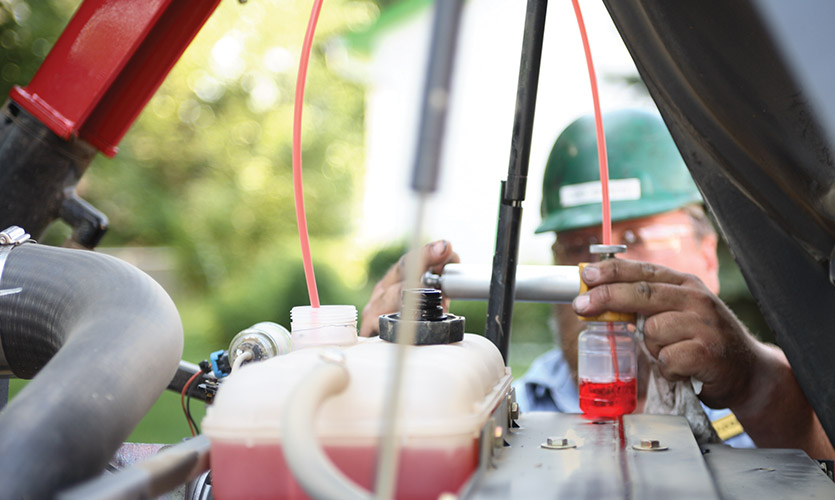
The Cat S·O·S fluid analysis program involves your dealer checking and analyzing oil, coolant and hydraulic fluids for excessive wear, contamination, low levels and other conditions that may require corrective action to prevent damage or failure.

Tip 8: Inspect The Equipment Daily

Do a walk around and visual inspection of your equipment each day to detect leaks, smoke or unusual situations, plus take note of any substandard performance. You can share any data gathered with your dealer to enhance the monitoring of your equipment and prevent small issues from becoming big problems. Look for general wear and tear of the machine or its bucket and digging teeth, breaks or pits in the windshield, tire condition and even the smallest crack on the frame or where welds exist.

Tip 9: Do Small Maintenance Now To Prevent Big Repairs Later

Let the data and alerts enable you to catch adverse conditions and fix them before they cost you money or time. For example, change out an ill-fitting seal to make sure the machine doesn’t run low on a fluid or spring a big leak that leads to a major expense.

Tip 10: Train Operators In Best Practices

Monitor users’ day-to-day performance with the machine in order to identify and reinforce good practices as well as pinpoint areas for which additional training may be needed. You’ll avoid premature wear and lackluster performance, as well as extend the life of your machine by ensuring that it is used properly and not pushed beyond its capacity.

train operators

Tip 11: Gather and Store Copious Records

Collect and keep reports that tell you about your machines’ history, component life and operating costs to reveal trends. Those statistics will enable you to better and more accurately examine work flow and expenses plus maintain the machine’s resale value.

Tip 12: Monitor Basic Elements

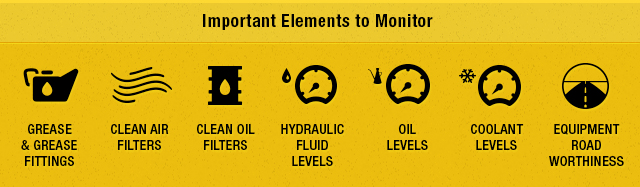
Check the condition regularly of air and oil filters, grease, fittings and other components essential to operation, since these checks help reduce equipment operating costs. The concept is similar to how a clean air filter in a car will help it achieve better gas mileage.

Tip 13: Compare Cost of Onsite Maintenance vs. In-Shop Repairs

Have a qualified professional come to you for preventive maintenance rather than hauling your equipment to the shop after something breaks. Some owners presume house calls are way too expensive, but not when they prevent expensive repairs and the cost of transporting something that weighs several tons.

Tip 14: Use Checklists

Create and implement a maintenance plan and service checklists that site and job managers must initial. This step organizes service items and makes them predictable, keeps operators accountable and gives you proof at selling time that you’ve kept the machines in good condition.

Tip 15: Don’t Skimp On Quality

Let the professionals at Warren CAT provide service and parts so that you can be sure you’re getting top-notch quality. Cutting corners with inferior-quality parts or unqualified technicians actually costs more money over the long run when components don’t last as long as they should or bad service causes a breakdown. For example, hydraulic oil lubricates and protects moving parts and is an integral part of the power-transfer process, so you want it to be of high Cat quality, just like the machine is.

Tip 16: Maintain Contact With Your Dealer

Form and keep a close, trusting relationship with Warren CAT or your favorite dealer for when you need to borrow equipment while yours is being serviced. You can also do this to field test a machine you’re interested in buying or renting.

Tip 17: Establish a Communications Plan

Make sure all the people between you and your machine know exactly what to do and who to call in different situations. This may include equipment failure, job-site accidents or injuries, theft or damage, other unexpected problems or when something just doesn’t seem quite right. You save downtime and money when everyone knows precisely what to do and has all the resources they need to report an issue, including process charts as well as names and contact information.

Tip 18: Prepare For The Worst Before It Happens

Take time to make a contingency plan for all the worst-case scenarios you can imagine, then make that plan known to everyone. Thinking through such situations when you’re not in a frenzied, crisis mode will yield a much better result than when you’re forced to make decisions on the fly.

Tip 19: Form and Keep A Downtime Plan

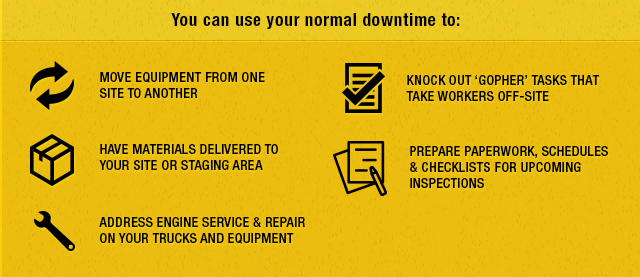
Fill the normal lulls in production with tasks that need done but rarely warrant top priority, such as running errands and making deliveries; servicing and repairing equipment; delivering, picking up, re-arranging or staging materials at the job site for upcoming production days; completing paperwork such as schedules and forms for pending inspections; and training your workforce.

Tip 20: Keep Your Team Happy and Informed

Solicit feedback from the workforce to gauge what works well and what doesn’t, praise and reinforce good performance, and encourage and reward best practices. Show and tell your people how complacency affects productivity and profitability instead of having them inadvertently learn that problems are often rewarded with overtime or praise for fixing a problem fast.

inform team

Tip 21: Allow Time For Strategic Thinking

Schedule blocks of time to interpret your data, think of new ideas, research solutions, market your company, develop promotional materials and both study and stay ahead of the competition.

Tip 22: Examine and Optimize Idle Time

Devote resources to know how much time your equipment spends idling. Wasted fuel is wasted money, and unnecessary idling not only wears on your machine’s engine and chips away at warranty hours, it can also conflict with some states’ emissions laws.

Tip 23: Analyze Usage of The Entire Fleet

Identify and rectify overused or underused equipment to optimize operations across all your job sites. You want to avoid having any machine run more than it should or run only 20 percent of the workday. The objective is to use all machines to their full capacity, or somewhere close to it. Let Warren CAT do this for you or make your own charts, spreadsheets, calendars and other tracking tools in order to watch critical areas of the business.

Tip 24: Don’t Wait To Add Features

Calculate the savings you’ll realize with data features like ProductLink, VisionLink, EM Solutions and preventive maintenance plans before you say, “Oh, I’ll add that at a later date.” While you’re waiting until you have more time or money, the features could pay for themselves and yield substantial savings through optimized performance, less downtime and best efficiency.

Tip 25: Pay Less For Technology at Time of Purchase

Include data features at the time you buy a machine whenever possible, since it costs less to get them at the time of purchase than to add them on later.

Tip 26: Consider Rebuilt Parts

Look for remanufactured parts as a lower-cost option of comparable quality to new parts. Normally, they both have warranties and feature top quality, and are guaranteed to fit your specific machine perfectly.

Tip 27: Match Machine To Task

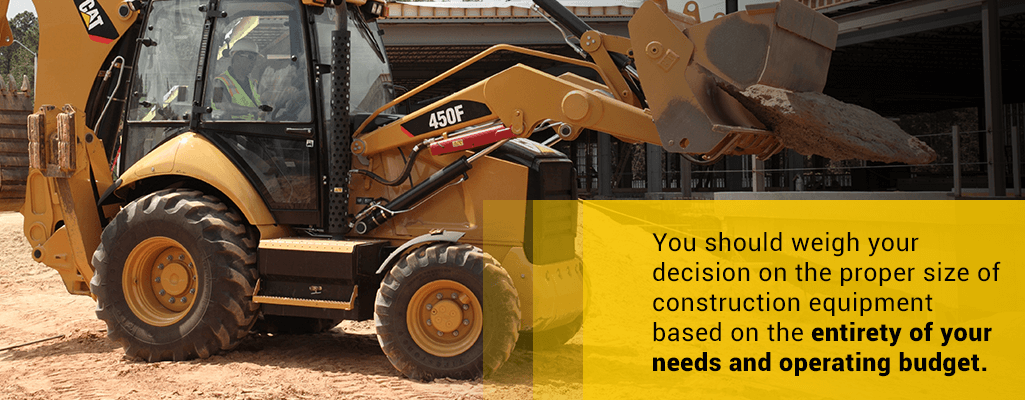
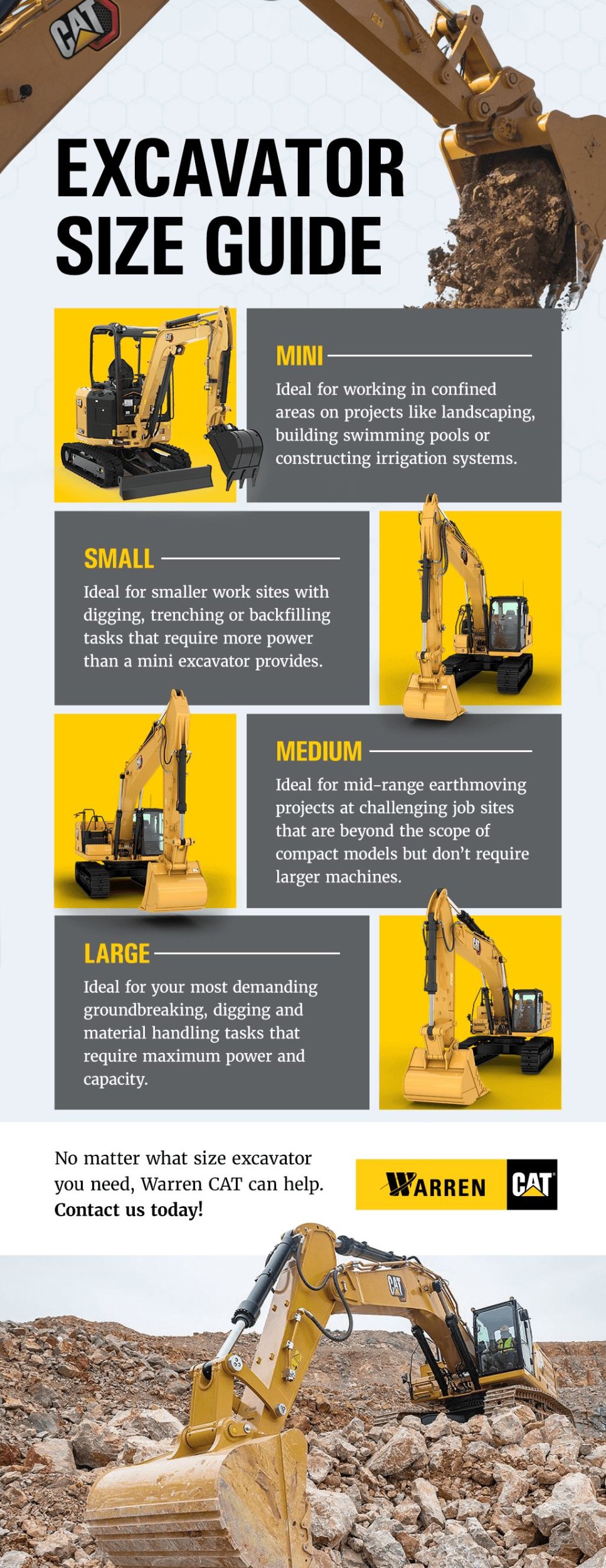
Spend time working the math to know you’re using the right-sized equipment for the job. Your bottom line suffers when you use an enormous machine for a small job and when you attempt to use a smaller machine best left to the ability of bigger equipment.

Tip 28: Investigate Options For Lease, Rental and Loaners

Compare the costs of renting, leasing or borrowing equipment against that of buying and/or of using equipment that’s oversized, undersized or not used regularly. These options save you the headache of selling equipment when it’s old, gain you the benefit of having newer equipment every few years, and save you money on transport and storage costs.

Tip 29: Understand Your Equipment Regeneration Needs

Study the limitations of your equipment and respect the fact that it needs to regenerate at regular intervals rather than ignoring it, which could lead to breakdowns, damage and expensive repair.

Tip 30: Pamper Your Undercarriage

Avoid misusing or abusing any equipment, but especially machines with tracks, since that multifaceted component comprises 50 percent of the maintenance and repair cost for equipment that includes them. Caterpillar designs its undercarriages with extra clearance, but adverse conditions will affect critical parts including links, rollers, seals, segments, pins, bushings, idlers and shoes.

Tip 31: Eliminate Waste

Analyze your fleet and use the data to compute the percentage of productive time – and profit – you stand to gain by purging waste like overtime, excessive idling, unnecessary usage, bad operator practices and other things that lose money.

Tip 32: Allow Plenty of Time

Build hours into the regular, everyday schedule for preventive maintenance and regular service. This way you won’t incur the extra expenses associated with deliveries or services made in the throes of an emergency or rush situation, as well as after hours or on a holiday weekend.

Tip 33: Live By The Work Order

Implement a system in which nothing happens without a work order, which not only gives you full control over what gets bought but also produces an accurate record of what was purchased, why it was purchased, who ordered it and when. In most situations, you won’t recall those details and if you do, they’re likely to be fuzzy.

Tip 34: Check The Manual

Follow the equipment manufacturer’s recommendations for usage, parts, fluids, maintenance and other procedures to ensure optimal efficiency and help machines last longer. Even if you think you know what your equipment needs, going by the manual will help in cutting costs on heavy equipment.

Tip 35: Compare Your Fleet’s Performance To Others

See how your equipment and machines stack up to comparable fleets locally, regionally and nationally, since this kind of data helps you obtain valuable benchmarks that can help in future analyses and decision making.

Knowledge is power, and there are many ways for you to gather data about your heavy equipment and apply it to yield improved profitability, better safety and a more efficient business. You can start acquiring that knowledge anytime by visiting Warren CAT online, as well as calling or visiting any of the dealerships throughout Texas and Oklahoma.

Contact Us To Learn More

A Fleet Management Guide

You need the right tool for the right job. Whether that’s excavating a job site or hauling sediment, the construction industry relies on what are essentially uni-taskers — machines with one major role to play on a job site. This means that an efficient fleet is also a diverse fleet, and a big part of the logistics of any job site is getting the right machine for the job where it needs to be to get the job done.

Fleet management, then, can become hugely important — in fact, there are going to be certain years where fleet management can make or break your bottom line. If an excavator is delayed getting to the job site, it can put the entire project behind schedule, costing you money and harming your reputation.

The problem we all encounter is fleet management is inherently complex, and logistics may not be part of the skillset you’ve spent all those years honing. Indeed, you might not know how to do fleet management effectively. Your time is better spent keeping up with modern building practices and incorporating innovative construction materials, not to mention managing the expectations of new clients and the needs of long-time employees.

In other words, you have enough full-time jobs for one person. That said, in the end, keeping your fleet on its feet is a big part of keeping your business in the black, and responsibility for that — fairly or not — will always come back to reflect on you.

Keeping in mind that fleet management isn’t where you want to spend most of your time, there are a few productive ways you can increase your efficiency and readiness, and dwindle the number of hours you devote to this logistics-heavy side of your business. That doesn’t mean each of these suggestions will be easy to transition into. There will be upfront costs, both in terms of money and manpower, but we’re sure those costs will pay off in the long run once your fleet is operating at peak efficiency.

Remember, fleet maintenance is in large part about two things: staying ahead of problems and using data to make good decisions. Once you’ve mastered the art of fleet management (or once you’ve had someone master it for you), you’ll find your schedules are more reliable and your deadlines more agreeable. This fleet management guide can be a good first step.

Tips For Fleet Management

Tip 1. Use Data to Make Good Decisions: Big Machines Meet Big Data

Many of us are already familiar with big data when it comes to advertising — marketing companies use web data, in particular, to analyze and predict behavior of web visitors, creating more effective ad campaigns. So how does fleet management work with big data? Fleets can actually use big data in a similar way, predicting major maintenance, breakdown, and basic functioning of vehicles and machines in the fleet.

Tip 2. Install Tracking Devices to Collect Data

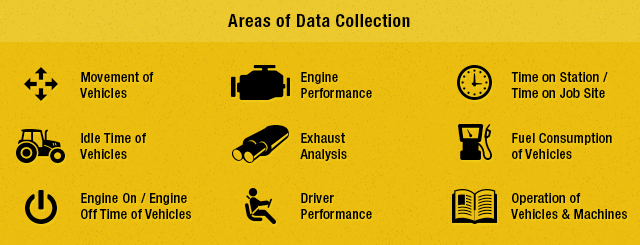
Of course, in order to analyze data, you’ve got to collect it first, and this means installing tracking devices on all of your machines.

equipment data monitoring

As with much technology, the list can continue to grow depending on how much you’re willing to invest. You will also want to consider just how much data you need. If, for example, you aren’t particularly concerned about fuel consumption, it may be a mistake to monitor that particular datum. You don’t want to overload your decision-making process with too much data, in other words, because you may obscure the more important data you’re trying to analyze.

As with much technology, the list can continue to grow depending on how much you’re willing to invest. You will also want to consider just how much data you need. If, for example, you aren’t particularly concerned about fuel consumption, it may be a mistake to monitor that particular datum. You don’t want to overload your decision-making process with too much data, in other words, because you may obscure the more important data you’re trying to analyze.

Tip 3. Outsource Fleet Management To Lighten Your Load

If you’re uncomfortable with the notion of monitoring your vehicles — or simply feel out of your depth in its implementation — there are several services that will simply do it for you. Among them are U.S. Fleet Tracking, Fleetmatics and Teletracs. However, if you’re operating mostly Cat® equipment, you’ll want to make sure to take advantage of Warren CAT’s fleet management program to get the best possible opinions, advice and services when it comes to tracking your vehicles and analyzing your data.

This data will help you reduce costs because you’ll get an accurate, unbiased picture of what’s really happening. Knowing exactly how long it takes to get from point A to point B — and how much fuel is consumed along the way — will help you make accurate predictions in the future. Keeping an eye on maintenance windows will help keep your equipment functioning longer. Monitoring driver performance will help you coach operators to be more efficient. All of this will help your business save money in ways you were previously unaware of.

Tip 4. Staying Ahead of Problems: Maintain and Upgrade

As your fleet operates, data will also help you identify holes and gaps in your overall system. Maybe your fleet would operate more efficiently if you had not only a dozer but a wheel dozer as well. Maybe your mix of on-highway and off-highway trucks isn’t quite right. Filling holes as you expand is a natural part of a growing business; so too is plugging gaps that occur when a machine breaks down or is suddenly unavailable.

In order to have the most efficient fleet possible, you’ll need to devote some time to preventative maintenance and securing upgrades in a thoughtful way that works within your budget.

Tip 5. Make Preventative Maintenance a Priority

When it comes to maintenance, nearly all vehicles and machines will come with scheduled maintenance procedures. Those that subscribe to a dedicated fleet tracking and data service will already have a system built in for monitoring those maintenance deadlines and alerting you when they approach. If you don’t have a data monitoring system, it can be a challenge to schedule that maintenance, so the best strategy is to simply maintain a regular schedule with each vehicle. Whether it’s every month or two months, give each vehicle its own rotation. For example, every other month on the 12th, you might schedule maintenance on half of your backhoe loaders.

warren cat service

Tip 6. Don’t Put Off Necessary Maintenance

It’s also vital you do not put off necessary maintenance. No one does this on purpose, of course — but when you let your schedule get away from you, suddenly you might realize you’ve scheduled all of your backhoe loaders to be on the job site on the same day you were to perform maintenance. Obviously, the job comes first and the maintenance gets pushed back — and if this happens on a regular basis, it can lead to breakdowns before too long.

Preventative maintenance keeps your vehicle running longer and better, saving you money and increasing your efficiency. Creating a maintenance schedule is, therefore, a paramount priority.

Tip 7. Understand Upgrading Equipment Might Be The Most Cost Effective Solution

Upgrading your equipment also takes some forethought. If your company is flush with cash, then this task is a little easier, as you can simply go out and get yourself a brand new machine. But that’s not always in the budget, and new work can come up unexpectedly. If you’re constantly performing maintenance on your own vehicles, this will give you experience in identifying a used machine that’s been well taken care of.

When you’re looking at adding to your fleet, you’ll want to keep the following in mind:

  • Does the proposed new vehicle add to my capabilities?
  • What are the benefits of leasing or renting compared to purchasing?
  • Have I included the price of maintenance with the purchase price?
  • Can I find a used machine that is well maintained?
  • Does the machine I’m considering have a reliable maintenance log?
  • Can I identify, or do I have someone available to identify, potential problems on a new or used vehicle before I purchase that vehicle?

Tip 8. Don’t Forget About Your Drivers

train drivers

When we talk about your fleet, we’re speaking mostly about the mechanical equipment you operate, in all of its wild variations. Every fleet will be different — some will consist of barely three vehicles, and other will count over 100 vehicles. But the one thing that all fleets have in common is that they cannot perform any tasks of consequence without a human operator (at least, for the moment — we suspect automated construction drones are at least a few years away).

So when we talk about fleet efficiency, we can’t forget about the drivers and operators. You want to make sure your operators aren’t treating your machines as though they’re disposable. You want to make sure you’re rewarding operators who baby your equipment and you’re monitoring operators who treat the equipment more harshly than it deserves.

You don’t need a fleet management guide to know it’s not possible for a job site manager or a foreman to be in the cab with the operator every second of every day, so this is where tracking software again becomes important. Not only will tracking and monitoring give you an accurate illustration of how your operators are handling your machines, but it will also let your operators know they are being watched. In other words, your operators will treat equipment better when they know they are being watched.

But there are also some simple tips for fleet management behavior changes you can suggest to drivers in order to save money on a fleet-wide scale:

  • Slower Acceleration: Especially when it comes to big machines, on-road trucks, and tractors, there can be a temptation to keep up with traffic, and this usually means swift acceleration — in other words, putting the pedal to the metal. The benefits of this type of acceleration are marginal, especially when you stop to consider what they do to your overall gas mileage. Encouraging operators to accelerate and drive just a little more slowly can save you big time when it comes to overall fuel costs.
  • Note Mileage: It’s important operators are aware of the miles they’re putting on a vehicle, if only so they are encouraged to take always the most efficient route from point A to point B. Again, this saves on fuel — an expense that generally contributes anywhere from 20-30% of a vehicle’s whole life cost. When operators are paying attention to the miles, they’re more conscious of their MPG, saving you money on fuel.
  • Put it in Writing: Sometimes, the only way to enforce the rules is to make them a part of the contract. Ideally, you’d want to hire people who genuinely care about making your business successful, but that isn’t always possible. Placing incentives in the contract lets operators know any bonuses they should receive for good driving will indeed be honored — and the same is true of any consequences for abuse of vehicles on the operator’s part. The contract ensures trust from both parties.

Tip 9. If All Else Fails, Look at Technician Touches

When it comes to your maintenance cycle, there’s no doubt the quality of the technician is going to play a key role in the return on investment you get with preventative care. So you have a couple of options here. First, you can hire great technicians. Having a tech on hand as part of the company has a few great advantages. First of all, the technician will be invested in the outcome of the company and, therefore, the operation of the machines.

There’s a kind of pride of ownership that takes place. Second, any technician that is exclusive to your company will be intimately familiar with all of your machines. The downside, of course, is cost. Any full-time employee is expensive, and the size of your fleet just might not justify that expense.

The other option is to leave maintenance to a specialized firm. However, the problem here is that you lose some of that favorable synergy between your company and the technician. In fact, one way to tell how healthy your machines are is to simply count how many times your technicians have had to touch them. The more touches, the less return on investment you’re getting for maintenance. And often when you contract with an outside firm for maintenance, you can lose the ability to easily gage that return on investment.

The solution to this problem, especially if you have a CAT-heavy fleet, is to contract with Warren CAT Connect Solutions equipment management program.

Caterpillar® Fleet Management Services

So how does fleet management work when you sign with Warren CAT? No one knows Cat equipment better than Warren CAT, and we can use that expertise to help you manage your equipment and your fleet. This way, you get all of the benefits of stellar fleet management without any of the logistical headaches. As part of our equipment management services, we offer three levels of service options.

  • Level 1: Access — This level gets you access to information with Cat Product Link
  • Level 2: Inform — Get access to timely reporting so you can analyze data
  • Level 3: Partner — Get the maintenance you need when you need it

The benefit of using Cat fleet management on Cat equipment is you get the same pride of ownership and intimate knowledge you would out of your own personal technician. Cat has a well-earned reputation for durability, dependability and innovative technology, and we take pride in customer satisfaction. Our technicians receive state-of-the-art training on all of our equipment, which means when you choose Warren CAT Connect Solutions, you’re linking up with Caterpillar experts who take pride in improving your ROI through excellent maintenance and management strategies.

To get more information on Warren CAT Connect Solutions, click here or contact us directly.

Fuel Contamination Control

Clean Up Your Act

Fuel system contamination can cause serious problems in any diesel engine. But today’s high-performance, low-emissions models are especially vulnerable to contaminants. Keeping your fuel supply clean is vital to ensuring your engine can provide optimal performance and the longest service life possible.

While diesel is inherently up to 35% more efficient than gasoline, it comes with a few distinct challenges. It tends to attract water, which can be a serious concern if it enters a fuel system. Since water contains oxygen, it serves as sustenance for microorganisms, allowing them to grow and thrive in your fuel tanks. This condition is commonly known as diesel bug. It results in sludge that can clog your fuel injectors and cause engine failure.

Even before a clog forms, contaminated fuel lowers a diesel engine’s efficiency. When diesel costs nearly 54% more than it did just a few years ago, this loss of efficiency translates to a significant impact on a company’s bottom line. That makes fuel contamination control a critical concern for any fleet manager.

Eight Ways to Control Fuel System Contamination

When you’re managing a construction fleet, pausing operations to replace fuel system components can cost you a lot in the form of lost revenue and productivity — on top of the repair expenses.

Fuel filters play a role in cleaning diesel before it reaches the engine. Taking additional, proactive measures at the mechanical, sourcing and operational levels will also contribute to maintaining a clean supply of diesel by keeping contamination to a minimum. Take these steps to control fuel contamination:

1. Know The Numbers

Diesel fuel filters are commonly rated for a minimum particle size of anywhere from four to 15 microns. Even a 5-micron particle can cause engine damage, so for maximum protection, select a filter that’s effective against an absolute rating of 4-micron and larger particles.

2. Don’t Be Misled By Ambiguous Filter Rating Systems

Focus on product features, structural integrity and consistency of quality. Do your research and choose a filter manufacturer with an established reputation. Components may cost a little more with this approach, but their contribution to your fuel contamination control efforts will pay off in terms of equipment efficiency and life expectancy.

3. Find Out About The Wear Index

A filter’s wear index is based on a correlation between the amount of physical damage observed on the injectors and the number of 6-, 10- and 14-micron particles present in the fuel. Determine if a lower-wear-index product is available to extend injector life, improve fuel economy and reduce emissions.

4. Invest In Premium Quality Filtration Products

Look for filters with high-efficiency media, excellent pleat stability and spacing, a minimum number of metallic components, exceptional sealing capabilities and overall structural integrity.

5. Buy Fuel From A Reliable Supplier

Fuel quality and cleanliness vary from one supplier to the next, so make sure you’re buying from someone you trust. Because diesel is hygroscopic, it’s impossible to keep it entirely free of water. However, the water naturally settles to the lowest point in a tank, so it’s relatively easy to remove. A good supplier will monitor and purge their tanks as needed to ensure their fuel is as pure as possible upon delivery.

6. Manage Fuel Storage and Transfer

You’ll need to drain water that accumulates in the bottom of your storage tanks as well. Additionally, to keep sediment, dirt and other contaminants out of your fuel supply, you should drain and flush all storage containers, including tanker trucks and stationary tanks, every six months at a minimum. You should also frequently verify that your tanks are in good repair and have no worn, broken or missing parts. If you don’t already have a tank gauging system in place to monitor fuel purity, you might consider installing one.

7. Involve Operators

Operators play a key role in reducing fuel system contamination. At the start of each shift, they should perform a quick visual inspection of the fuel system components and the fuel itself — diesel that appears hazy is likely contaminated. During the hotter times of the year, when the heat supports microbe growth, you might consider having your operators drain the water from the bottom of your machines every day to keep your diesel as clean as possible.

8. Train Technicians

Contaminants often invade an engine while it’s being serviced. Technicians should be taught to use proper maintenance and repair processes to minimize service-related contamination. Similarly, operators should follow manufacturer recommendations and any additional operational standards when accessing tanks or handling fuel system components.

Importance of Fuel Testing

Another important element of maintaining a clean diesel supply and a healthy fleet is regular fuel testing. Warren CAT provides S·O·S Fluid Analysis services to detect machine health indicators in fuel, hydraulics and other vital fluids. If you’re already following the above tips and want to evaluate the success of your fuel contamination control procedures, reach out to our team online or at 866-292-7736 to learn more.